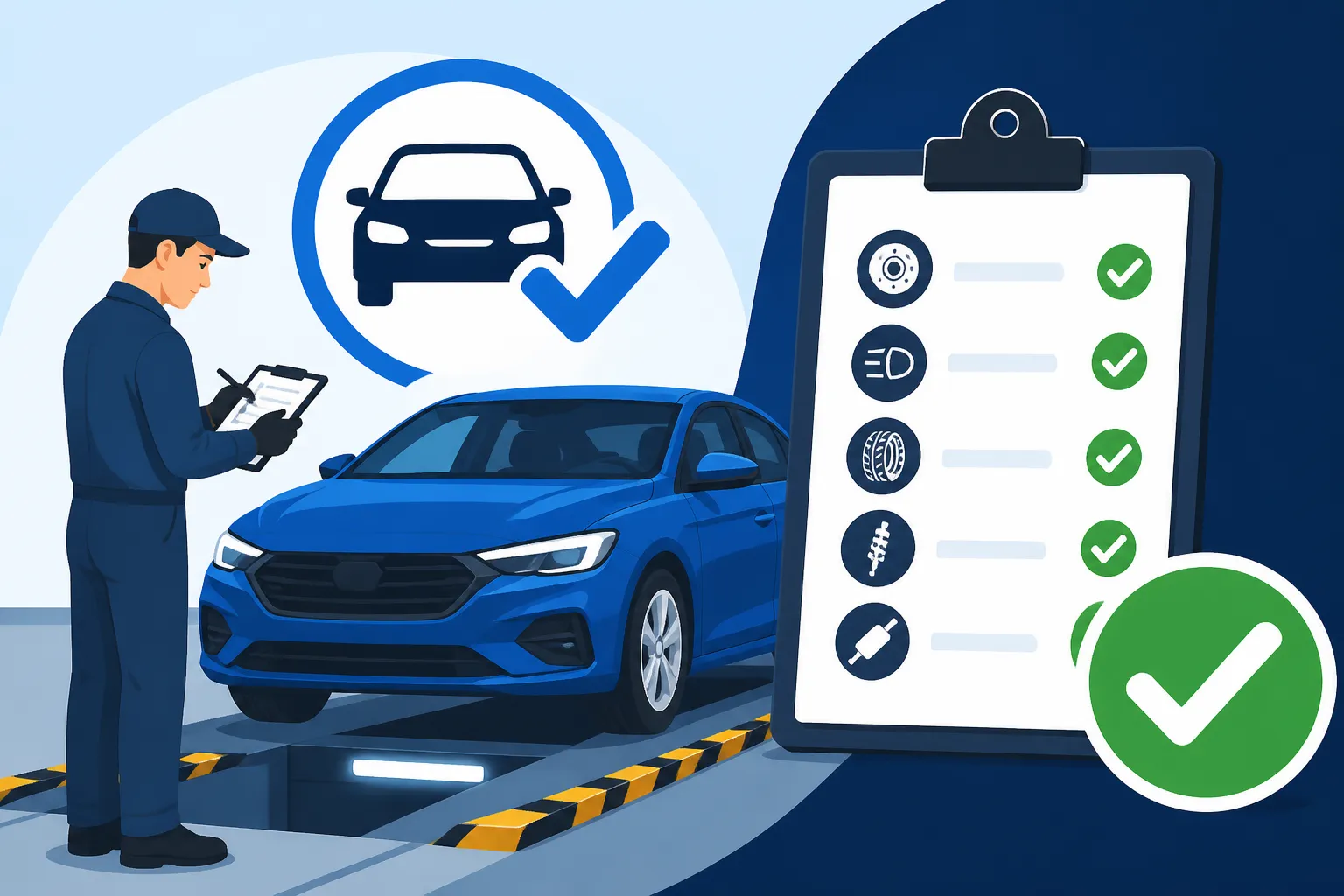
What Is the Vehicle Inspection (Ülevaatus) and How Does It Work?
Navigating life in a new country throws up all sorts of unexpected hurdles, and dealing with vehicle ownership can certainly be one of them. For many of us expats in Estonia, understanding the local equivalent of a mandatory car inspection, known here as ülevaatus, can feel like learning a whole new language – both literally and figuratively. This guide is here to demystify the process, walking you through what the Estonian vehicle inspection is, why it's crucial, and exactly how you can ensure your beloved car passes with flying colours, saving you headaches and potential fines down the road.
What Exactly is Estonia's Vehicle Inspection (Ülevaatus)?
Think of ülevaatus as Estonia's comprehensive health check for your vehicle. Just like in many other countries where you might have encountered something like the UK's MOT, Germany's TüV, or Sweden's Bilprovning, the ülevaatus is a mandatory, periodic technical inspection. Its primary purpose is to ensure that all vehicles operating on Estonian roads are safe, environmentally compliant, and meet the necessary technical standards. It's not just a bureaucratic tick-box exercise; it's a vital part of maintaining road safety for everyone and keeping Estonia's commitment to environmental protection on track. Every registered vehicle, from your trusty family sedan to a work van, needs to go through this assessment at a certified inspection station.
Why Your Car Needs Regular Ülevaatus in Estonia
The requirement for regular ülevaatus isn't just a suggestion; it's a legal imperative with real consequences if ignored. Firstly, and most obviously, it's about safety. An inspection rigorously checks critical components like your brakes, steering, tyres, and lights. Imagine driving on icy Estonian roads in winter with faulty brakes, or having a headlight suddenly go out on a dark country lane. The ülevaatus helps catch these issues before they become dangerous. Beyond immediate safety, there are also significant legal ramifications. Driving a vehicle without a valid inspection certificate can lead to hefty fines from the Estonian Police and Border Guard Board (PPA). Moreover, should you be involved in an accident, your insurance provider might even dispute or deny claims if your vehicle's ülevaatus was expired or invalid at the time.
Then there's the environmental aspect. Estonia, like the rest of the EU, is serious about reducing carbon emissions and air pollution. A key part of the ülevaatus involves emissions testing, particularly for older combustion engine vehicles, to ensure they're not pumping out excessive pollutants. This protects the environment and ensures your vehicle is operating as efficiently as it should be. From a more practical standpoint, keeping up with regular inspections also helps maintain your vehicle's overall health and, in turn, its resale value. A car with a consistent, clean inspection history is far more attractive to potential buyers, demonstrating that it has been well-maintained and cared for. It’s also often a requirement when you want to Register a Vehicle with the Transport Administration in Estonia.
Key Components Checked During an Ülevaatus
The ülevaatus is a thorough examination, covering almost every aspect of your vehicle that impacts safety and environmental performance. The inspectors are highly trained professionals looking for any defects that could compromise the vehicle's roadworthiness. Here’s a breakdown of what they typically scrutinize:
One of the most critical areas is the braking system. Inspectors will test the efficiency of your service brake and parking brake, checking for uneven braking, worn pads or discs, and any leaks in the hydraulic system. They’ll also carefully examine your lighting system: headlights, tail lights, brake lights, indicators, fog lights, and even your license plate lights must all be functioning correctly and be properly aligned. Visibility is paramount, especially during the long, dark Estonian winters. Your tyres are another major focus; inspectors will measure tread depth, check for cracks or bulges, and ensure they are appropriate for the season (e.g., winter tyres in winter, summer tyres in summer).
The steering and suspension systems are vital for vehicle control and stability. Inspectors will look for excessive play in the steering wheel, worn ball joints, damaged shock absorbers, and any other issues that could affect handling. The vehicle's bodywork is also checked for significant rust, sharp edges, or structural damage that could pose a risk in an accident or compromise the vehicle's integrity. For petrol and diesel vehicles, emissions testing is mandatory, using specialized equipment to measure exhaust gases against legal limits. Finally, all essential safety equipment – seatbelts, horn, windscreen wipers, and washers – must be in good working order. They’ll also verify your Vehicle Identification Number (VIN) and license plates to ensure they match the registration documents. Understanding these points can help you do a quick pre-check yourself, saving you a potential trip back.
The Ülevaatus Process: Step-by-Step for Expats
Alright, so you know what it is and why it's important. Now, let's talk about actually getting it done. The process for ülevaatus in Estonia is quite streamlined, thanks to digital services, but knowing the steps can make it much less daunting for us foreigners. The main thing to remember is that you need to go to a certified inspection station, known as an ülevaatuspunkt. These aren't government offices; they are private businesses authorized by the Estonian Transport Administration to conduct these inspections.
Finding an Inspection Station and Booking Your Appointment
Finding an ülevaatuspunkt is usually quite straightforward. You'll see signs for them in most towns and cities, particularly in industrial areas or near larger garages. Major cities like Tallinn and Tartu have numerous options. You can easily find them by searching "ülevaatus" on Google Maps, often adding your city name, like "ülevaatus Tallinn" or "ülevaatus Tartu," to narrow it down. Many of these stations are part of larger chains, but there are independent ones too. It’s worth looking at their websites or calling ahead. Some stations, particularly the larger ones, offer online booking systems, which can be a godsend if your Estonian isn't fluent yet. These platforms allow you to select a time slot and sometimes even specify if you need an English-speaking inspector, though that’s not always guaranteed.
While some ülevaatuspunkt might accommodate walk-ins, it’s always best to book an appointment, especially during peak times like month-ends or near major public holidays, when everyone suddenly remembers their inspection is due. Booking ensures you won't have a long wait and helps you plan your day. When you call or book online, you’ll typically need your vehicle’s registration number (registreerimisnumber) and possibly your Isikukood (personal code). If you haven't sorted yours out yet, make sure you understand How to Get Your Isikukood (Personal Code) and Why It Matters for Healthcare, as it's crucial for many official processes in Estonia.
What to Expect on the Day of Inspection
When your appointment day arrives, make sure you bring the necessary documents: your vehicle’s registration certificate (the small, plastic card or the paper document, often referred to as the technical passport) and your personal identification document (ID card or passport). Some stations might also ask for your driver's license. Arrive a few minutes early to check in. You'll usually hand over your keys and documents at a reception desk. You might then be directed to a waiting area while the inspection is carried out.
The inspection itself typically takes anywhere from 20 to 45 minutes, depending on the vehicle type and the thoroughness of the station. The inspector will guide your vehicle onto a ramp or roller brake tester and systematically go through all the checks mentioned earlier. You usually won't be allowed into the inspection bay for safety reasons, but you can sometimes observe from a safe distance. Once the inspection is complete, the inspector will provide you with a detailed report. This report will clearly state whether your vehicle has passed, failed, or received a conditional pass with minor defects. If you've got your phone with you and have a reliable mobile connection, perhaps thanks to an eSIM from a provider like Airalo, you can quickly translate any specific terms on the report if needed, though most larger stations can provide an English summary or have staff who speak English.
Navigating the Outcomes: Pass, Fail, and Reinspection
The moment of truth arrives when the inspector hands you that report. There are generally three possible outcomes, and knowing what each one means will save you a lot of stress.
Congratulations, You Passed! (or Conditional Pass)
If your vehicle has passed the ülevaatus, congratulations! This means your car meets all the safety and environmental requirements. The inspector will issue you a new inspection certificate, and sometimes a small sticker is affixed to your windscreen (though this practice is becoming less common with digital records). This certificate will show the validity period of your inspection, indicating when your next ülevaatus is due. Keep this certificate safe, preferably with your other vehicle documents, though all information is digitally recorded and accessible to authorities.
A "conditional pass" means there are minor defects that were noted, but they don't immediately compromise the vehicle's roadworthiness to the extent of failing the inspection outright. These might be things like a slightly corroded exhaust pipe or a minor chip in the windscreen outside the critical vision area. While you get a passing certificate, you will typically be given a short grace period (often 30 days) to rectify these minor issues. You aren't usually required to bring the car back for a reinspection for conditional passes, but it's strongly advised to get them fixed to ensure your vehicle remains safe and roadworthy.
Oh No, You Failed: What to Do Next
A "fail" isn't the end of the world, but it does require immediate attention. It means your vehicle has one or more serious defects that make it unsafe or non-compliant with legal standards. Common reasons for failure include significantly worn tyres, non-functioning brake lights, excessive rust on structural components, or high emission readings. The inspection report will list all the defects that led to the failure.
Your immediate next step is to get those issues fixed. You can choose any garage or mechanic for the repairs, or if you're handy, you can do them yourself. Make sure you get a receipt or documentation of the repairs, as this can be helpful. You usually have a specific timeframe (often up to 30 days) to get the repairs done and bring your vehicle back for a reinspection. This reinspection typically focuses only on the defects that caused the initial failure, making it quicker and usually cheaper than a full inspection. It's crucial that the reinspection is done at the same ülevaatuspunkt where you initially failed, unless specified otherwise, or you risk having to pay for a full new inspection elsewhere. Remember, driving a vehicle that has failed its ülevaatus with serious defects is illegal and highly dangerous, so only drive it to and from the repair shop and reinspection centre.
Costs, Timing, and Other Essential Tips for Foreigners
Understanding the practicalities around costs, timing, and how to smooth over any potential hiccups can make your ülevaatus experience in Estonia much easier. It’s not just about the inspection itself, but fitting it into your expat life.
How Often and How Much Does It Cost?
The frequency of ülevaatus depends primarily on the age and type of your vehicle. For passenger cars, the rules are generally as follows:
- New cars (less than 4 years old): The first inspection is due after four years from the date of first registration.
- Cars aged 4 to 10 years: After the initial four-year period, subsequent inspections are required every two years.
- Cars older than 10 years: Once your car is over 10 years old, it will need to undergo ülevaatus annually.
Different rules apply to other vehicle categories like motorcycles, commercial vehicles, and trailers, so it's always best to check the specific requirements for your vehicle type on the Estonian Transport Administration website (Transpordiamet).
When it comes to costs, the price for a standard passenger car ülevaatus typically ranges between €30 to €50. This can vary slightly between different inspection stations and regions. For example, an ülevaatuspunkt in Tallinn might charge a bit more than one in a smaller town like Pärnu. If your vehicle fails and needs a reinspection, the cost for the recheck is usually significantly lower, often around €10 to €20, provided you return within the specified timeframe and to the same station. It's a good idea to factor these potential costs into your annual vehicle budget, alongside your Understanding Road Tax and Vehicle Costs in Estonia.
Essential Tips for a Smooth Ülevaatus Experience
To ensure your ülevaatus goes as smoothly as possible, a little preparation goes a long way. First off, perform some basic pre-checks yourself. This includes testing all your lights (headlights, brake lights, indicators, fog lights, reverse lights, and license plate lights), checking your tyre tread depth and pressure, ensuring your windscreen wipers work effectively and the washer fluid reservoir is full, and listening for any unusual noises from the brakes or suspension. Simple things like making sure your horn works and your seatbelts retract properly can prevent a minor failure.
Always bring your official vehicle registration certificate (the small plastic card or paper document) and your personal ID. It's a good habit to keep these in your car anyway. If you anticipate a language barrier, consider bringing a friend who speaks Estonian, or at least have a translation app handy on your phone. Most major ülevaatuspunkt staff in Tallinn and Tartu will have some English proficiency, but in smaller towns, it can be hit or miss. If you are new to Estonia and planning your relocation, services like Sirelo can often provide broader tips on getting settled, which might include advice on vehicle importation or registration.
Finally, and this is a big one for new arrivals: don't wait until the absolute last minute! Your ülevaatus certificate clearly states the expiry date. Aim to get your inspection done a few weeks before it expires. This gives you a buffer in case your car fails and needs repairs, preventing you from driving illegally and avoiding potential fines. By staying on top of your ülevaatus, you're not just complying with the law; you're ensuring your safety and the longevity of your vehicle here in Estonia. For more general advice on driving and vehicle ownership, you might want to read Driving in Estonia: Licences, Registration and Rules for Expats (2027).
| Vehicle Age | Inspection Frequency | Average Cost (approx.) | Notes |
|---|---|---|---|
| 0-4 years | First inspection at 4 years | €30 – €50 | From initial registration date. |
| 4-10 years | Every 2 years | €30 – €50 | Subsequent inspections. |
| 10+ years | Annually | €30 – €50 | Required every year. |
| Reinspection | N/A | €10 – €20 | Within 30 days at the same station. |
Disclaimer
Please note that regulations and fees regarding vehicle inspections in Estonia can change. While every effort has been made to provide accurate and up-to-date information, it is always recommended to verify the latest requirements and costs directly with the Estonian Transport Administration (Transpordiamet) or your chosen ülevaatuspunkt before your inspection.