Understanding Utility and Maintenance Costs (Kommunaalkulud) in Estonia
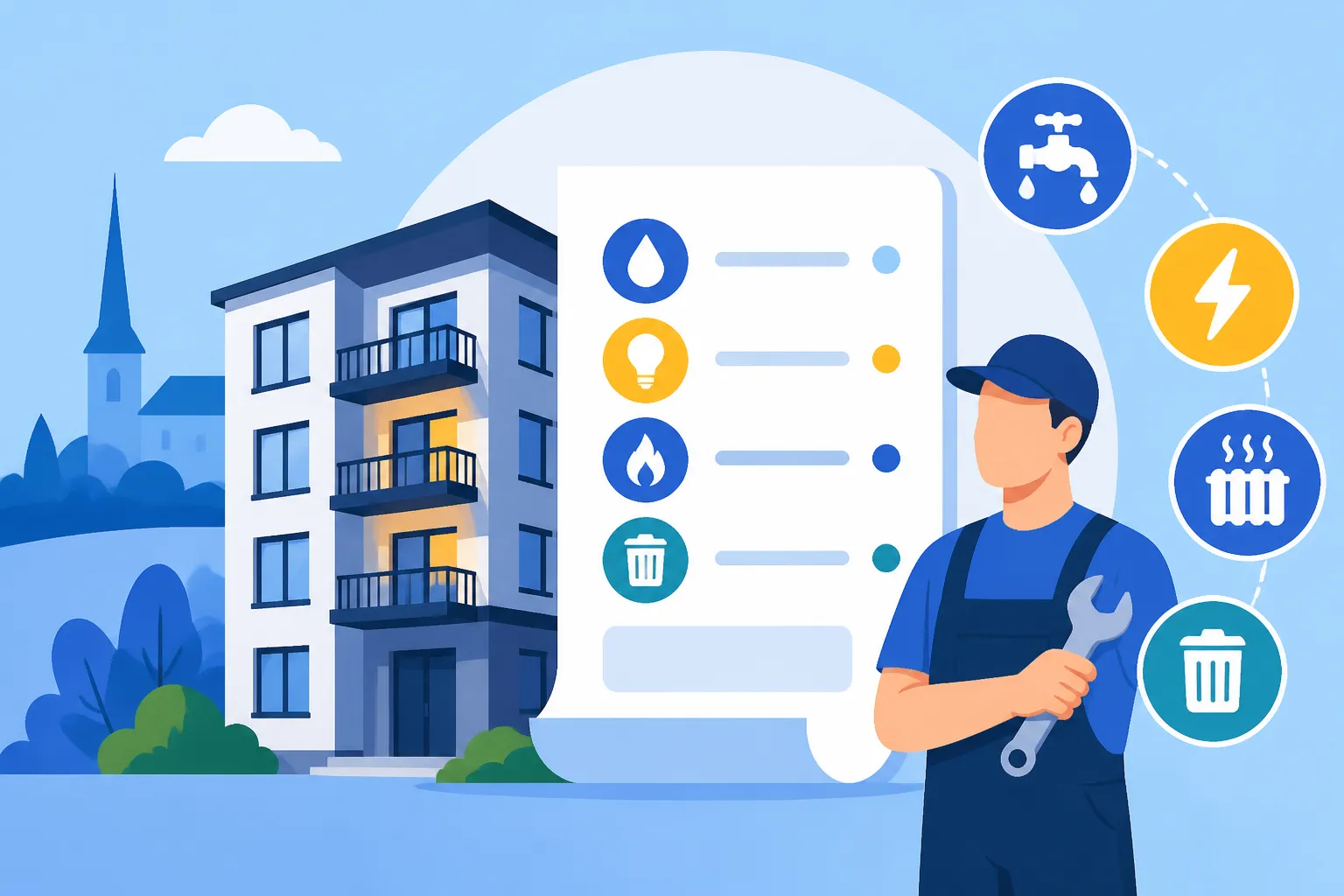
Moving to Estonia can be an exhilarating adventure, but let's be honest, the first time you get your monthly kommunaalkulud – those dreaded utility and maintenance bills – it can feel like deciphering ancient hieroglyphs. Many expats find themselves staring at a surprisingly hefty sum, utterly confused about what each line item means and why it fluctuates so wildly. This guide is here to cut through the confusion, unpack those bills, and give you the confidence to manage your household expenses like a local.
Decoding Your Kommunaalkulud: What's on That Monthly Bill?
When you first arrive in Estonia, getting settled is a whirlwind. You've probably already navigated the initial hurdles of finding a place to live and maybe even had your moving company, like Sirelo, help you get your belongings here. But then comes the monthly kommunaalkulud statement, which lumps together a variety of charges that would often be separate bills in other countries. It’s not just your electricity and water; it’s a whole ecosystem of charges related to living in an apartment building, and understanding each component is crucial.
The Big Three: Heating, Water, and Electricity
These are usually the most substantial and variable parts of your kommunaalkulud. In Estonia, especially in older apartment buildings, heating is often centrally managed by the building's association or a district heating company. This means you might not have individual control over your radiator temperature in the way you're used to, and your cost is often calculated based on square footage or shared consumption if individual meters aren't installed. The crucial thing to remember about heating is that it is, by far, the biggest driver of cost fluctuations, particularly during the long, cold Estonian winter.
Water is typically metered individually for cold and hot water usage, and you’ll often find these meters in your bathroom or kitchen cabinet. You’ll be responsible for reporting your readings monthly, either to your landlord, the apartment association, or directly through an online portal. Electricity, too, is usually metered per apartment. While the electricity bill might sometimes arrive as a separate invoice directly from your chosen provider, it's very common for it to be included as a line item on your main kommunaalkulud statement, with the apartment association collecting the payment on behalf of the building. Understanding how to track these primary utilities is key to managing your overall monthly spend. For more details on getting these basic services set up, check out our guide on How to Set Up Electricity in Your Estonian Home and How to Set Up Water, Heating and Gas in Estonia.
The "Hidden" Costs: Maintenance, Repairs, and Management
Beyond the immediate utilities, your kommunaalkulud will include a range of fees that contribute to the upkeep and smooth running of your apartment building. These are often labelled broadly as "maintenance fees" (often hooldustasu or remondifond) and cover everything from cleaning common areas and minor repairs to elevator maintenance and the salary of the building manager. These costs are usually fixed per square metre or per apartment, regardless of your personal consumption, as they are shared expenses vital to the building's structural integrity and functionality.
A significant component here can be contributions to the building's remondifond (repair fund) or kapitaalremont (capital repair fund). Many apartment associations are actively saving money for future major renovations, like roof repairs, facade insulation, or upgrading heating systems. While this ensures the long-term value and comfort of the building, it can add a substantial, non-negotiable amount to your monthly bill. It’s essential to understand that these aren't "hidden" in the sense of being secret, but rather "hidden" from your immediate daily consumption, becoming clearer once you delve into the intricacies of Understanding Apartment Association (Korteriühistu) Fees in Estonia.
Beyond the Basics: Waste, Insurance, and Other Building Services
Your kommunaalkulud statement isn't just about heating and a general repair fund; it often includes other communal services too. Waste management (prügivedu) is almost always included, with costs typically distributed per resident or sometimes per apartment. You might also find a line item for building insurance (kindlustus), covering the collective structure, not your individual contents (for that, you'd need separate home and contents insurance).
Beyond these, you could see charges for things like pest control, communal lighting in stairwells, maintenance of green areas around the building, or even a small fee for the digital access system. Some apartment buildings in larger cities like Tallinn also include charges for things like security systems or even dedicated parking space maintenance. Each of these smaller, but cumulatively impactful, items contributes to the overall cost of communal living and ensures that the building remains a pleasant and safe environment for everyone.
The Ever-Changing Tides: Factors Driving Your Utility Costs
One of the most perplexing aspects of Estonian utility bills for new arrivals is their often dramatic fluctuation. It’s rarely a static number, and understanding why can save you a lot of stress (and perhaps a bit of money!). The reality is that several significant factors combine to create those monthly figures.
Winter's Grip: The Dominance of Heating Expenses
There's no sugarcoating it: Estonian winters are long and cold, and heating costs will inevitably dominate your kommunaalkulud during these months. From roughly October to April, the heating system in your building will be working hard, and you’ll see your bill skyrocket compared to the warmer months. This isn't just about your personal preference for warmth; it's also about the ambient temperature outside. When it’s -20°C, the building's heating system has to work much harder (and consume more energy) than when it’s just above freezing.
Many buildings still rely on older, less efficient central heating systems where costs are distributed among residents based on apartment size rather than individual consumption, making it harder to directly control your heating spend. Newer buildings, however, often feature individual heat meters, giving residents more agency over their usage and, consequently, their bills. It’s important to clarify the heating system and billing method when you’re looking to rent, as it can significantly impact your winter budget.
Location, Location, Location: Building Type, Age, and Efficiency
Just like in real estate, location matters for utility costs, but it’s more specifically about the type and age of your building. Older Soviet-era apartment blocks, while often charming and centrally located, are typically less energy-efficient. They might have poorer insulation, older windows, and outdated heating systems, leading to higher heat loss and, therefore, higher heating bills. These buildings often have ongoing remondifond contributions to fund crucial energy efficiency upgrades.
Conversely, newer apartment buildings constructed to modern energy standards usually boast excellent insulation, triple-glazed windows, and efficient ventilation systems. This means they require less energy to heat, translating to lower heating costs for residents. However, new buildings sometimes come with higher maintenance fees due to more complex shared amenities (like underground parking, gyms, or modern security systems) or to pay off construction loans. This trade-off between lower heating and potentially higher maintenance is something to consider when choosing your home.
Your Lifestyle: Personal Consumption and Appliance Choices
While heating costs are largely dictated by the external climate and building efficiency, your personal habits still play a significant role in managing water and electricity expenses. Long, hot showers, leaving lights on in empty rooms, or using energy-hungry appliances excessively can quickly add up. For expats, especially if you're used to different utility pricing, it's worth re-evaluating your daily routines.
Simply being mindful of turning off lights and unplugging chargers can make a small difference. If you're renting, you might not have control over major appliance efficiency, but if you're purchasing items, opting for A-rated energy-efficient models can lead to long-term savings. Furthermore, for those who spend time away, remember that even minor background electricity consumption can accrue. Using tools or apps for monitoring your usage can be really helpful here.
Navigating the Bureaucracy: Your Rights and Responsibilities
The Estonian housing system, especially concerning apartment buildings, can be a bit different from what many expats are used to. Understanding your rights as a tenant and your responsibilities regarding kommunaalkulud is essential to avoid misunderstandings and ensure a smooth living experience.
Understanding Your Rental Agreement and Utility Clauses
Your rental contract (üürileping) is your best friend when it comes to understanding your kommunaalkulud. It should clearly stipulate exactly which utilities and maintenance fees you are responsible for. Most often, tenants are responsible for all variable utility costs (electricity, hot and cold water based on consumption, and heating based on consumption/distribution) and sometimes a portion of the fixed maintenance fees. However, sometimes landlords will include some or all of these costs in a single, flat monthly rent, which can simplify budgeting but might mean you pay more than your actual consumption if you're energy-conscious.
Always read these clauses carefully before signing. If anything is unclear, don't hesitate to ask your landlord or real estate agent for clarification. It's not uncommon for landlords to also require a deposit for utilities in addition to the standard security deposit, which covers any outstanding utility bills after you move out. Familiarise yourself with your How to Sign a Rental Contract (Üürileping) in Estonia to ensure you're fully aware of your obligations.
The Role of the Apartment Association (Korteriühistu)
In Estonia, most apartment buildings are managed by an korteriühistu, or Apartment Association. This is a legal entity made up of all apartment owners in the building, and it's responsible for managing the common property, making decisions about maintenance and repairs, and collecting kommunaalkulud from residents. While you, as a tenant, typically interact directly with your landlord, it's the korteriühistu that calculates and issues the underlying bills.
The korteriühistu manager is a crucial figure. They oversee the heating, water, and waste services, organise repairs, and ensure the building complies with regulations. They are also usually the ones who provide the monthly kommunaalkulud statement, either to your landlord or directly to you if stipulated in your contract. Even if you don't directly interact with them, their decisions and management directly impact your monthly costs. Many apartment associations have online portals where you can view statements, submit water meter readings, and communicate with the manager.
Seeking Clarity: Handling Discrepancies and Disputes
What happens if your kommunaalkulud bill seems unusually high, or you spot a discrepancy? The first step is always to communicate. Start with your landlord. They are your primary point of contact and are ultimately responsible for ensuring you receive accurate bills and that the charges align with your rental agreement. They can then liaise with the korteriühistu manager on your behalf.
If the issue persists or you suspect a genuine error, gather all your documentation: your rental contract, previous bills, and any proof of meter readings you've taken. While direct disputes with the korteriühistu are usually handled by the owner (your landlord), understanding the typical structure of the bills will empower you to ask informed questions. Remember, transparency is key, and you have a right to understand the breakdown of your charges. If all else fails, legal aid or tenant advisory services are available, but usually, open communication can resolve most issues.
Smart Strategies to Save: Taming Your Estonian Utility Bills
Let's face it, no one wants to throw money away. As an expat in Estonia, taking proactive steps to understand and manage your utility costs can make a real difference to your monthly budget. There are plenty of practical ways to be smarter about your consumption.
Embracing Energy Efficiency: Small Changes, Big Savings
While you might not be able to upgrade your building's insulation, there are many small, impactful changes you can make in your daily life. Simple things like adjusting your thermostat downwards by even one degree Celsius can have a noticeable effect on heating bills. Ensure your windows are properly closed and sealed – even a small draft can lead to significant heat loss. Use heavy curtains in winter to trap heat inside at night and open them during the day to let in natural light and warmth.
When it comes to electricity, unplug chargers and appliances when not in use, as many still consume power even when switched off (phantom load). Only run dishwashers and washing machines when full, and opt for eco-friendly cycles if available. Replacing old light bulbs with energy-efficient LED alternatives is another easy win, although this might be a landlord's responsibility. These habits, though seemingly minor, collectively contribute to a more sustainable and cost-effective lifestyle.
Shopping Around for Service Providers
Unlike heating or water, where you're typically tied to the building's provider, you generally have a choice when it comes to electricity and internet. Estonia's electricity market is liberalised, meaning you can compare offers from various providers like Eesti Energia, Alexela, and Elektrum. Prices can vary based on fixed vs. variable rates, contract length, and green energy options. It's definitely worth checking comparative websites or asking around for recommendations to find the best deal for your consumption profile.
Similarly, for internet and mobile services, there's healthy competition among providers such as Telia, Elisa, and Tele2. Don't just stick with the first one you find. Compare packages, speeds, and prices for both home internet and mobile data. This is where options like Airalo can be a godsend for new arrivals, allowing you to get immediate mobile data via an eSIM without the hassle of a contract, giving you time to research local providers and find the best long-term solution for your home internet needs. For guidance, refer to our comprehensive guide on How to Choose a Mobile and Internet Provider in Estonia.
Leveraging Digital Tools for Monitoring and Management
Estonia is a digital nation, and this extends to utility management. Many apartment associations and utility providers offer online portals where you can track your consumption, submit meter readings, and view your bills. For electricity, major providers often have apps that show real-time or near-real-time usage, allowing you to pinpoint when you're consuming the most energy. This kind of data can be incredibly empowering, helping you identify patterns and areas where you can cut back.
Consider investing in smart plugs for high-consumption appliances if your landlord allows. These can monitor energy usage and even be set on timers, preventing unnecessary power drain. Some newer apartment buildings even integrate smart home systems that allow you to control heating and ventilation remotely, offering even greater control over your kommunaalkulud. Taking advantage of Estonia's digital infrastructure is one of the smartest ways to stay on top of your household expenses.
Getting Connected: Setting Up and Managing Your Services
The process of setting up utilities might seem daunting at first, especially if you’re navigating it in a new language. But with a bit of guidance, it's quite manageable, thanks in large part to Estonia's digital-first approach.
Initial Setup: Essentials for Your New Home
When you first move into your Estonian apartment, you'll need to ensure the basic services are active and transferred into your name, or your landlord's, as per your rental agreement. The most immediate concern is usually electricity. While some landlords may keep the electricity contract in their name, it's increasingly common for tenants to sign their own contracts directly with an electricity provider. You'll need your personal code (Isikukood) and often the address details and electricity meter number for your apartment.
For water and heating, these are almost universally managed by the apartment association. Your landlord will typically inform them of your tenancy, and your usage will then be reflected in the monthly kommunaalkulud. Internet is another essential you’ll need to arrange. As mentioned, you have a choice of providers, and signing up usually involves a quick online application or a visit to a service centre. Don't forget waste management; this is typically bundled into your kommunaalkulud and handled by the apartment association. For a deeper dive into the initial steps, consult our guide How to Set Up Water, Heating and Gas in Estonia.
Mastering Payments and Online Portals
Once your services are set up, managing payments is predominantly done online. The kommunaalkulud statement, whether delivered to you directly or via your landlord, will usually include a payment reference number and the bank details for the apartment association. You can make payments via your Estonian online banking portal (e.g., Swedbank, SEB, LHV), setting up a standing order for recurring fixed costs if applicable, or manually transferring funds each month.
Many utility providers, and increasingly apartment associations, have user-friendly online self-service portals. These platforms allow you to view your current and past bills, submit water meter readings (which are usually required monthly by a specific date), and update your contact information. Getting comfortable with these digital tools early on will save you a lot of time and hassle. You might even want to connect your bank account for automatic payments, but always double-check the amounts first.
Dealing with Estonian Providers
Interacting with Estonian utility providers like Eesti Energia (for electricity), Tallinna Vesi (for water in Tallinn), or district heating companies is generally straightforward. Their websites often have English language options, and customer service departments usually have English-speaking staff, especially in larger cities. When contacting them, always have your personal code (Isikukood), address, and account number ready.
Should you encounter a technical issue – perhaps your heating isn't working, or there's a problem with your water supply – your first point of contact should generally be your landlord or the apartment association manager. They are responsible for coordinating repairs related to the building's infrastructure. For issues specific to your internet or electricity supply within your apartment, then you would contact your individual provider. Persistence and politeness, even when facing a language barrier, often go a long way in getting things resolved.
Disclaimer
The information provided in this guide is intended for general informational purposes only and does not constitute professional advice. While we strive to keep the content accurate and up-to-date, utility costs and regulations in Estonia can change. We recommend consulting official government sources, your landlord, or legal professionals for specific advice tailored to your situation.