The Expat Guide to Public Transport in Estonia
Arriving in Estonia, you'll quickly realize that getting around efficiently is key to settling in, and navigating a new country's public transport system can feel like learning a whole new language. Forget what you think you know about public transit; Estonia, especially its capital, offers some truly unique solutions that can be a lifesaver for your budget and sanity. This guide is designed to demystify Estonia’s public transport, walking you through everything from getting your first ticket to understanding the nuances of free travel, so you can explore your new home with confidence and ease.
Why Public Transport in Estonia is a Game Changer for Expats
When you first land in a new country, one of the biggest initial stresses is figuring out how to get from A to B without breaking the bank or getting completely lost. In Estonia, the public transport system, particularly in Tallinn, is not just a convenience; it's a genuine game-changer for expats. It’s a well-developed, modern, and surprisingly cost-effective network that can connect you to every corner of your new life here, from your new job in the city to that charming little cafe you heard about. Embracing it means less reliance on private cars, which not only saves you money but also reduces your environmental footprint.
Cost-Effectiveness and Eco-Friendliness
Let's be real: living abroad can get expensive, especially in the beginning. The costs of setting up utilities in Estonia, buying property in Estonia, or even just daily groceries can add up. This is where Estonia's public transport really shines. For residents of Tallinn, the capital offers free public transport, a concept that still blows many people's minds, including mine when I first moved here! This isn't a temporary perk; it's a long-standing initiative designed to reduce traffic and encourage sustainable living. Imagine saving hundreds of euros a year just on commuting. That money can go towards exploring more of Estonia, perhaps a weekend trip to Tartu or a relaxing spa break in Pärnu. Even outside Tallinn, public transport fares are generally very reasonable compared to many Western European countries. Opting for buses, trams, or trains over a private car significantly lowers your carbon footprint, contributing to Estonia's green initiatives and aligning with a more sustainable lifestyle. It’s a win-win: save money, save the planet, and avoid the headache of parking in crowded city centres.
Beyond the immediate savings, relying on public transport also means you don't have to worry about the various costs associated with owning a car. Think about it: no fuel costs, no parking fees, no insurance premiums, and certainly no need to deal with the complexities of car registration in Estonia or figuring out vehicle inspections. These hidden costs can quickly eat into an expat's budget, especially if you're still in the process of setting up your financial life here. The public system allows you to manage your budget more predictably, freeing up funds for other essential or enjoyable aspects of your expat journey.
Accessibility and Modern Infrastructure
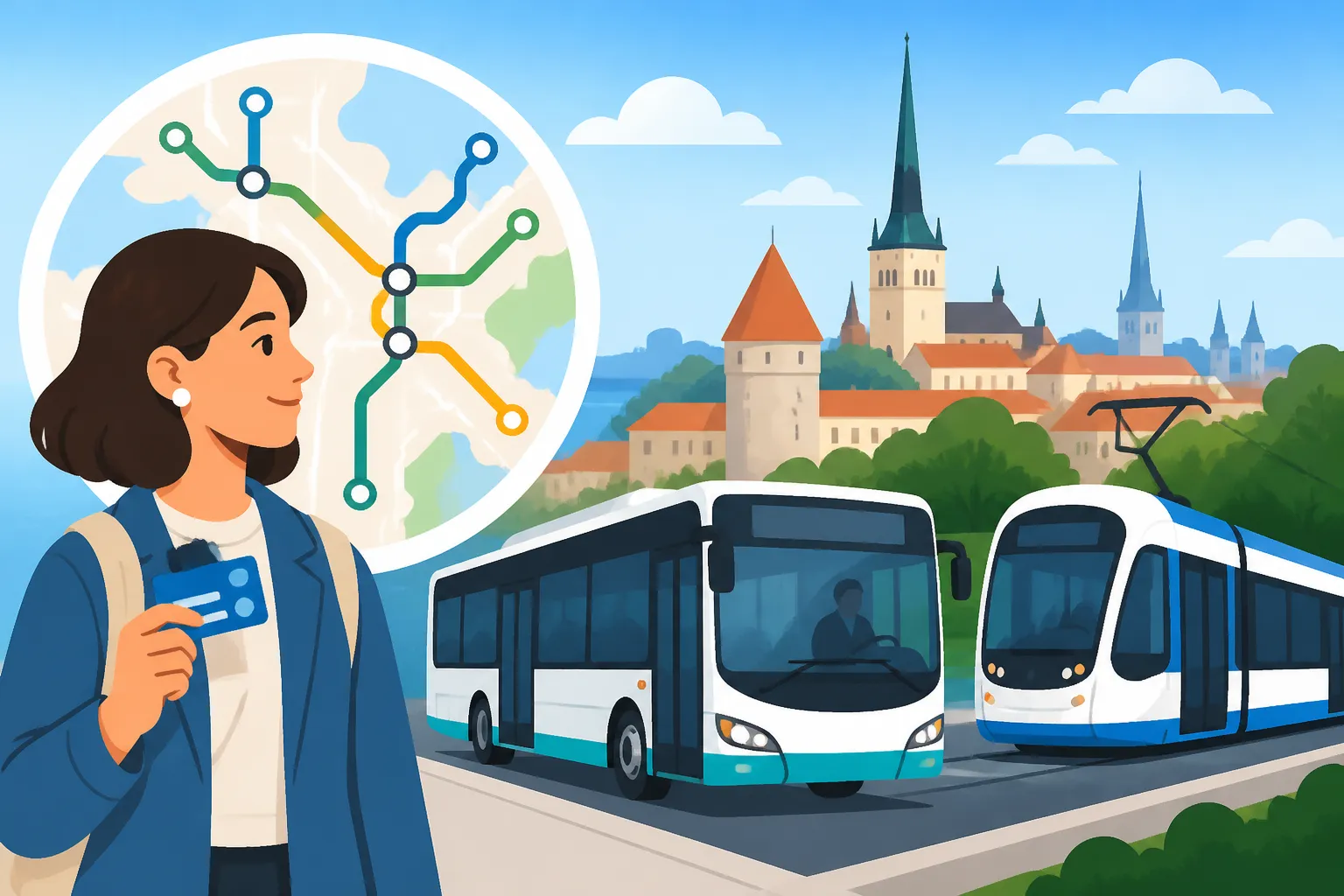
Estonia prides itself on its digital society, and this ethos extends deeply into its public transport infrastructure. The system is remarkably modern, integrated, and accessible. In Tallinn, you’ll find a mix of trams, trolleybuses, and regular buses, all running on predictable schedules that are easily tracked via real-time apps. The vehicles themselves are usually clean, well-maintained, and often equipped with features like low floors for easy access, Wi-Fi, and digital screens displaying the next stops. This level of modern infrastructure makes commuting a much more pleasant experience than what you might be used to in other countries.
Outside the capital, long-distance buses and the excellent Elron train network connect major cities like Tartu, Pärnu, and Narva, as well as smaller towns and rural areas. This means that even if you choose to live outside the bustling city center, you're rarely truly cut off. The digital integration is a massive plus; journey planning is seamless with readily available apps and online resources. You can easily check schedules, plan routes, and even purchase tickets digitally, minimizing language barriers and confusion. This accessibility is particularly reassuring for new arrivals who might not yet be fluent in Estonian, as it reduces the need for constant verbal interaction when navigating the city. The overall ease of use reflects Estonia's commitment to efficiency and making daily life smoother for everyone, including us expats.
Getting Started: Your Digital Ticket to Ride
Navigating a new public transport system can feel a bit like a treasure hunt, but in Estonia, the "treasure" is usually a sleek digital solution. The country's strong embrace of e-services means that your public transport experience is largely cashless and often card-based or app-driven. This digital approach makes things incredibly efficient once you get the hang of it, but it requires understanding a few key tools and processes, especially when it comes to linking your personal data to your travel rights.
The Ühiskaart Public Transport Card – Your Essential Companion
The Ühiskaart, or Public Transport Card, is truly your golden ticket to getting around Estonia. It's a reusable, reloadable card that acts as your primary method for paying fares, both in Tallinn (if you're a visitor) and in other cities across the country. Think of it as your local equivalent of an Oyster card or a MetroCard. You can purchase an Ühiskaart at R-Kiosk convenience stores, post offices, and sometimes at larger grocery stores or city transport service points. The initial cost is usually a couple of euros, which is refundable if you return the card in good condition.
Once you have the physical card, you’ll need to load it with money. This can be done at the same places you buy the card, or even more conveniently, online through the public transport websites or mobile apps. When you board a bus, tram, or trolleybus, simply tap your Ühiskaart against the validator located near the doors. A green light and a beep indicate a successful validation. If you're using it for free travel as a registered Tallinn resident, tapping the card still registers your journey, which is important for the city's statistics and helps them understand usage patterns. Don't underestimate the importance of this little card; it simplifies your travels immensely and helps you avoid scrambling for exact change, which isn't always accepted by drivers.
For those of us living in Tallinn and eligible for free public transport, linking your Ühiskaart to your residence is crucial. This involves associating your personal code (isikukood) with the card. You can do this at Tallinn service points or online via the public transport portal. This step is critical because simply having a Tallinn ID doesn't automatically mean free travel; your Ühiskaart needs to be personalized and registered to your actual, official place of residence in the city. If you're still figuring out your residency, make sure to check out our guide on Registering Your Place of Residence in Estonia: The Complete Guide for all the necessary steps. Without this proper linkage, even as a resident, you could inadvertently incur a fine.
Mobile Ticketing Apps and QR Codes
In keeping with Estonia's digital prowess, mobile ticketing apps offer another incredibly convenient way to manage your journeys. For visitors or those not registered for free transport in Tallinn, these apps allow you to purchase single tickets or time-based passes directly from your smartphone. The most commonly used app for public transport in Tallinn is the Pilet.ee app (also sometimes referred to as m-pilet, "mobile ticket"), which covers various regions. It’s available on both iOS and Android.
Using these apps is generally straightforward. You select your city, choose the type of ticket you need (e.g., single ride, 24-hour ticket), pay with your bank card or mobile payment, and the ticket is then activated on your phone. When you board, you might need to show a QR code or an animated ticket on your screen to the validator or a ticket inspector. This eliminates the need for a physical card altogether, which is a great option if you're just visiting or haven't yet committed to an Ühiskaart. For those times you need mobile data to ensure these apps run smoothly, or for general navigation, considering providers like Airalo for an eSIM can be incredibly helpful for seamless connectivity.
These apps also provide real-time information, such as bus and tram arrival times and route changes, which is a huge benefit when you’re trying to navigate an unfamiliar city. There's nothing quite like the relief of knowing your bus is genuinely 2 minutes away, rather than wondering if you’ve missed it entirely. This digital convenience means less stress and more confidence as you explore. They are particularly useful when you're caught out without your physical card or need to quickly purchase a ticket for a friend visiting from out of town.
Using eesti.ee and Digital Government Services for Transport
Estonia’s commitment to digital solutions runs deep, and the national eesti.ee portal is a central hub for countless government services, including those indirectly related to public transport. While you won't directly buy a bus ticket on eesti.ee, understanding this portal is crucial for managing your administrative life in Estonia, which, in turn, impacts your transport rights.
For example, your official place of residence, which is registered via the population register (Rahvastikuregister) – often accessible through eesti.ee or a local government office – is what grants you eligibility for free public transport in Tallinn. So, while eesti.ee isn't your direct ticketing platform, it's the backend that verifies your entitlement. It's where you can confirm your registration data and ensure all your details are up-to-date, impacting everything from your healthcare status (The Complete Guide to Healthcare in Estonia for Expats (2026)) to your ability to claim local benefits, including free transport. Getting your Isikukood (personal code) is an early and vital step in accessing these digital services and linking everything together; understanding How to Get Your Isikukood (Personal Code) and Why It Matters for Healthcare will be a huge help here.
Moreover, eesti.ee provides links and information to various municipal and transport authorities, allowing you to find official information, apply for certain services, or even contest fines digitally. It’s part of the broader ecosystem of Estonian digital government services that, once mastered, make life incredibly streamlined. As an expat, becoming familiar with eesti.ee is not just about transport; it’s about fully integrating into the digital fabric of Estonian society and leveraging its efficiency for everything from taxes to property matters.
Tallinn's Free Public Transport: A Deep Dive
Tallinn holds the distinction of being the first capital city in the world to offer free public transport to its residents. This isn't just a quirky fact; it's a significant financial benefit for anyone living here and a topic that generates a lot of questions from new expats. The system, implemented in 2013, is designed to reduce car usage, improve air quality, and make living in the city more affordable. However, it's not entirely a free-for-all; there are specific rules and steps to follow to truly unlock this benefit.
Who Qualifies for Free Travel and How to Register
The core principle is simple: if you are a registered resident of the City of Tallinn, you are entitled to use its public transport (buses, trams, and trolleybuses) for free. But the devil, as always, is in the details, especially for us foreigners. It's not enough to merely live in Tallinn; your place of residence must be officially registered in the Estonian Population Register as being within the administrative borders of the City of Tallinn. This is a critical step for any expat settling here, impacting many aspects of your life, not just transport.
Once your residence is officially registered (which you can often do at the local city district government office or through eesti.ee), you need to acquire an Ühiskaart (public transport card). This card costs a small, refundable fee, usually around €2. Then comes the personalization: you must link your Ühiskaart to your Estonian personal identification code (isikukood) and your registered Tallinn address. This personalization can be done online via the pilet.ee website or in person at one of the Tallinn City Government service points. It's crucial to ensure this linkage is active. Even though travel is "free," you are still required to validate your journey by tapping your personalized Ühiskaart on the validators inside the vehicles every single time you board. This action registers your trip, which helps the city collect anonymous data on transport usage, ensuring the system can be maintained and improved. Failing to validate, even if you're a registered resident, can result in a fine. Many people are confused (and some fined ones) when this rule isn't understood.
Practicalities for Residents vs. Visitors
The distinction between residents and visitors is paramount when it comes to free transport in Tallinn.
For Registered Tallinn Residents:
- Eligibility: Must have a registered place of residence in Tallinn in the Estonian Population Register.
- Procedure: Obtain an Ühiskaart, link it to your isikukood and registered address online or in person.
- Usage: Tap your personalized Ühiskaart on the validator upon every boarding. Your balance will show €0, but the journey is registered.
- Benefits: Unlimited free travel on Tallinn's city buses, trams, and trolleybuses. This also includes the public transport operating between Tallinn and the adjacent municipality of Rae Parish.
For Visitors, Non-Tallinn Residents, and Tourists:
- Eligibility: No free travel.
- Procedure: Purchase an Ühiskaart and load it with sufficient funds, or buy single tickets via mobile app (Pilet.ee) or from the driver (though often more expensive and not always available, especially with exact change).
- Usage: Tap your Ühiskaart on the validator; the fare will be deducted. If using a mobile ticket, validate using the app's instructions.
- Costs: A single ride typically costs around €1.10 – €2.00 depending on purchase method. Various daily or weekly passes are available and can be more economical for longer stays. Our guide on How Much Does Public Transport Cost in Estonia? offers a full breakdown.
This dual system can be a bit tricky for new arrivals who might be in a temporary residence or haven't completed their registration yet. During those initial weeks, assume you're a visitor and purchase tickets to avoid any hassle. Remember, the focus for Tallinn is on local residents and their welfare, not general tourism. If you’re an EU citizen, you also need to officially register your right of residence in Estonia for this benefit. The PPA (Police and Border Guard Board) is the place to do that, and it is a key step in fully integrating.
Understanding the System's Limitations
While the free public transport system in Tallinn is undeniably a fantastic perk, it's important to understand its limitations to avoid any surprises.
Firstly, "free" only applies to the municipal public transport lines (buses, trams, and trolleybuses) within the city limits of Tallinn, and specific routes connecting to Rae Parish. It does not extend to long-distance buses (like Lux Express or GoBus) that travel outside Tallinn, nor does it cover the Elron train network, even if you're taking a short hop within the city. These services operate under different fare structures. So, if your job is in a neighboring municipality like Viimsi or Saku, you'll still need to buy a separate ticket for the regional bus lines that serve those areas. This is a common misunderstanding, and many expats (myself included, initially!) have made the mistake of assuming all public transport from Tallinn is free.
Secondly, the "free" aspect is tied to your legal residency status, which can sometimes have a waiting period or require specific documentation to confirm. If you've just moved to Estonia, you might first need to secure your temporary residence permit in Estonia and then register your address. This process isn't always instant. During this interim period, you'll still be considered a visitor and will need to pay for your transport. Always ensure your residence details are up-to-date in the Population Register.
Lastly, while the system is extensive, certain very late-night routes or specific areas might have less frequent service, similar to many cities globally. Always check the schedules, especially if you're out past midnight. While Tallinn's public transport is efficient, it’s not 24/7 on all lines. Being aware of these nuances will help you make the most of this exceptional benefit without any unexpected hiccups. For more specific details on utilizing the system effectively, check out How to Use the Public Transport System and Free Travel in Tallinn.
Navigating Different Modes of Transport Across Estonia
Estonia's relatively small size belies a surprisingly robust and diverse public transport network. From the urban sprawl of Tallinn to the tranquil shores of its islands, you'll find various modes of transport designed to get you where you need to go. Understanding each option and how it fits into the broader picture is key to efficient travel for expats.
City Buses, Trams, and Trolleybuses Tallinn & Tartu
In Estonia's two largest cities, Tallinn and Tartu, the backbone of urban transport consists of a well-integrated network of buses, trams, and (in Tallinn) trolleybuses.
Tallinn: As discussed, Tallinn's system is free for registered residents. Trams are particularly iconic in Tallinn, offering a charming way to see the city while commuting. They mostly serve the central areas, connecting major hubs like the train station (Balti Jaam), the port, and various residential districts. The trolleybuses cover other specific routes, often complementing the bus network. The extensive bus network reaches virtually every corner of the city. All these modes use the same Ühiskaart system, making transfers seamless. Real-time arrival information is widely available through apps and digital displays at many stops, making planning easy. The frequency is generally excellent during peak hours, often every 5-10 minutes on main lines, tapering off to 15-30 minutes in the evenings and on weekends.
Tartu: While Tartu doesn't offer free public transport, its bus system is incredibly efficient and modern. Tartu relies solely on buses for its city transport, and they operate on a similar Ühiskaart system, though with its own regional variations in pricing and card registration. You can purchase a Tartu public transport card (or use an Ühiskaart if loaded with Tartu credit) from kiosks or load money onto it online. Tapping the card upon boarding is mandatory. Tartu's compact size means that distances are often walkable, but the bus network is invaluable for longer commutes or bad weather days. Buses are typically clean, punctual, and well-maintained. The atmosphere is generally quiet and orderly, a common characteristic across Estonian public transport.
Long-Distance Buses: Connecting Cities and Towns
For travel between Estonian cities and towns, long-distance buses are the most common and often most convenient option. Companies like Lux Express and GoBus dominate this market, offering frequent and comfortable services across the country. Whether you're planning a weekend getaway to Pärnu, a trip to see friends in Narva, or need to travel for work to Viljandi, there's likely a bus for it.
These buses are a far cry from the cramped, old coaches you might imagine. Modern Estonian long-distance buses often feature comfortable reclining seats, ample legroom, free Wi-Fi, power outlets at every seat, and sometimes even individual media screens. This makes longer journeys, say from Tallinn to Tartu (which takes about 2.5 hours), quite pleasant and productive. You can often work, watch a movie, or just relax.
Tickets for long-distance buses are best purchased in advance, especially for popular routes or during holidays. You can buy them online directly from the operators' websites (e.g., luxexpress.eu, gobus.ee), via mobile apps, or at bus station ticket counters. Buying online often secures a better price, and e-tickets can be simply shown on your phone when boarding. Fares are quite reasonable, with a trip from Tallinn to Tartu typically costing between €8-€15, depending on how far in advance you book and the time of day. This service is a lifesaver for expats without a car, allowing easy exploration of Estonia beyond the capital. When researching your move with services like Sirelo, you'll often find information about these transport links.
Train Travel with Elron: Scenic and Efficient Connections
While buses cover the most extensive network, train travel in Estonia, primarily operated by Elron, offers a scenic and often faster alternative for certain routes. Elron’s modern electric and diesel trains are a comfortable way to travel, particularly on the busy Tallinn-Tartu route, which is often quicker than the bus due to fewer stops and dedicated rail lines. The trains are sleek, clean, and offer comfortable seating, Wi-Fi, and power outlets. They are especially popular with students and business travellers.
Elron operates on several main lines radiating from Tallinn:
- Eastern Line: Towards Narva, passing through the picturesque Lahemaa National Park region.
- Southeastern Line: To Tartu, Valga (with connections to Latvia), and Viljandi.
- Western Line: To Paldiski and Riisipere.
- Pärnu Line: A newer, high-speed connection to the coastal city of Pärnu.
Tickets can be purchased online via the Elron website (elron.ee), through their mobile app, at station ticket machines, or directly from the conductor on board (though this may be slightly more expensive for certain tickets and cash payment might be required). As with buses, booking in advance online often secures the best fares. If you're planning a trip, definitely look into Understanding Train Travel with Elron in Estonia for more detailed information on routes and pricing. The trains offer a different perspective of the Estonian landscape, particularly charming during the snowy winters or the lush summers.
Ferry Services for Island Hopping
Estonia is home to over 2,200 islands, with the largest and most populated being Saaremaa and Hiiumaa. To reach these beautiful destinations, ferry services are an indispensable part of the public transport network. These ferries don't just transport people; they also carry cars, making them essential for island residents and tourists alike.
The main ferry routes are:
- Virtsu to Kuivastu (Saaremaa): Operated by TS Laevad, this is the primary gateway to Saaremaa.
- Rohuküla to Heltermaa (Hiiumaa): Also operated by TS Laevad, connecting to Hiiumaa.
- Smaller routes: Connecting to other smaller islands.
Booking ferry tickets, especially if you plan to take a car, is highly recommended, particularly during summer weekends and public holidays, as spots can fill up quickly. You can purchase tickets online through the operators' websites (e.g., praamid.ee) or at the port terminals. Foot passengers generally have more flexibility, but it's still wise to check schedules. The ferry journeys themselves are part of the Estonian travel experience, offering stunning sea views and a chance to relax before exploring the islands' unique charm. This maritime connection is crucial for the livelihoods and tourism of Estonia's island communities and represents another vital limb of the nation's comprehensive transport network.
Payment Systems Beyond Tallinn: What to Expect
While Tallinn spoils its residents with free public transport, the rest of Estonia operates on a more conventional paid system. However, the Estonian digital approach still shines through, making payment relatively easy once you understand the local nuances. It's not a one-size-fits-all, but rather a flexible system adapting to regional needs.
Regional Ticketing and Pricing Structures
Outside of Tallinn, public transport is managed by local municipalities or counties, often supported by the national government. This means that while the general principle of using a transport card or mobile ticket remains, the specific cards, apps, and pricing structures can vary slightly.
Tartu: As mentioned, Tartu has its own public transport card system. While an Ühiskaart might be accepted for certain functions, it’s advisable to get a specific Tartu card or ensure your Ühiskaart is loaded with Tartu-specific credit through the pilet.ee system. Single tickets are also available via mobile app or from the driver, similar to Tallinn for non-residents. Fares in Tartu are generally affordable, typically around €1.00-€1.50 for a single journey, with discounts for students and seniors.
Other Cities and Regions: In smaller towns like Pärnu, Narva, and Viljandi, as well as for county-wide bus services (maakonnaliinid), you might find a mix of payment options. Many regions use the same pilet.ee platform, allowing for mobile ticket purchases or the use of a generic Ühiskaart loaded with funds. In some very rural areas, especially on less frequented lines, cash payment directly to the driver might still be the primary method. It’s always a good idea to have some small euro notes or coins on hand, just in case. The pricing structure is typically distance-based for longer regional routes, and time-based (e.g., 1-hour ticket, daily ticket) for urban routes in smaller cities. Always check the local municipality's transport website or the pilet.ee portal for the most accurate and up-to-date information for your specific region.
Validation and Fines: What You Need to Know
Regardless of whether you're in Tallinn, Tartu, or a smaller town, proper ticket validation is paramount. In Estonia, it’s not enough to simply have a ticket; you must validate it upon boarding.
- Card Users: If you're using an Ühiskaart or a regional transport card, you must tap it against the electronic validator located near the doors of the bus, tram, or trolleybus. You'll hear a beep and see a green light for a successful validation. If it shows red, there's a problem (insufficient funds, expired card, or failed validation), and you should try again or use another payment method.
- Mobile Ticket Users: If you've purchased a ticket via a mobile app (like Pilet.ee), you typically need to scan a QR code on the validator with your phone, or simply display the active ticket on your screen for inspection. Follow the app's specific instructions carefully.
- Paper Ticket Users: If you've bought a physical ticket from a driver, sometimes these are pre-validated, but in other cases, you might still need to validate it yourself using a specific machine or simply keep it ready for a ticket inspector.
Ticket Inspectors: Be aware that plainclothes ticket inspectors frequently patrol public transport. They will ask to see your validated ticket or personalized Ühiskaart. If you fail to produce a valid and validated ticket, you will be subject to a hefty fine, which can be upwards of €40-€60. Ignorance of the rules, even for expats, is generally not accepted as an excuse. Always validate, even if you’re a Tallinn resident traveling for free, as failing to tap your personalized card is considered a violation.
Smart Ticketing Solutions in Tartu and Other Cities
Tartu, like Tallinn, is at the forefront of digital solutions. Their smart ticketing system allows for seamless travel within the city. You can purchase a contactless travel card that can be topped up online, at kiosks, or even via specific ATMs. The system is designed to be user-friendly, providing real-time information and making travel as smooth as possible. These smart solutions typically also cater to various fare types, including single trips, daily passes, and monthly passes, offering flexibility depending on your travel needs.
Many smaller cities and county lines are integrated into the broader pilet.ee system, meaning that your Ühiskaart or mobile tickets from the Pilet.ee app can often be used, provided you have sufficient funds or the correct regional product loaded. This national integration is excellent for continuity for expats who might be traveling across different regions for work or leisure. It means less hassle and fewer different cards to manage. Always verify the specific requirements for the particular route or city you are traveling to, but generally, these digital solutions simplify the process significantly, moving Estonia further away from old-fashioned paper tickets and cash payments.
Planning Your Journey: Tools and Resources
Successfully navigating public transport in a new country isn't just about knowing how to pay; it's about knowing where you're going and how to get there. Thankfully, Estonia's digital infrastructure provides an abundance of excellent tools and resources to help you plan your journey with confidence, minimizing the stress of getting lost.
Essential Mobile Apps for Real-Time Information
In Estonia, your smartphone is your best friend when it comes to public transport. Several highly effective mobile apps provide real-time information, helping you predict arrivals, plan routes, and even track vehicles.
- Google Maps: This is usually the go-to for many expats and it's quite reliable in Estonia. It integrates public transport options, shows bus/tram/train routes, estimated travel times, and often provides real-time updates on vehicle locations and delays. Just input your destination, select the public transport icon, and it will lay out the best routes.
- Pilet.ee (m-pilet): While primarily a ticketing app, Pilet.ee often includes basic route planning and schedule information, especially for Tallinn and Tartu. It's essential for purchasing tickets if you don't have a physical card.
- Peatus.ee: This is arguably the most comprehensive and user-friendly public transport information portal specifically for Estonia. Peatus.ee (which means "stop" in Estonian) provides real-time bus, tram, trolleybus, and train schedules across the entire country. Its mobile-friendly website and associated apps let you input your start and end points, showing you various route options, connection times, and even vehicle locations on a map. It's invaluable for both urban and intercity travel.
- Transport App (Tallinn specific): Tallinn also has its own dedicated transport app (often simply called "Transport" or "Tallinna Transport"), which provides detailed real-time data for the capital's network.
Having these apps installed and familiarizing yourself with them before you even step out the door will save you a lot of grief. Remember to ensure you have a reliable mobile data plan for continuous access to real-time updates. This is where services like Airalo, offering international eSIMs, can be particularly useful for new arrivals, ensuring you're connected from the moment you land.
Online Journey Planners and Websites
Beyond mobile apps, several excellent websites offer detailed journey planning capabilities, perfect for when you're at home planning a bigger trip or prefer a larger screen.
- Peatus.ee: As mentioned above, the Peatus.ee website is a powerhouse. It allows for detailed route planning, schedule lookups, and real-time tracking across all public transport modes in Estonia. It’s available in Estonian, English, and Russian, making it highly accessible for expats. You can specify dates and times, see connecting routes, and even plan multi-modal journeys involving different types of transport.
- Tallinn.ee/eng/transport: The official transport section of the Tallinn City website provides comprehensive information specifically for the capital, including maps, schedules, and news updates. It’s a good source for official announcements regarding route changes or maintenance.
- Elron.ee and Luxexpress.eu/gobus.ee: For train and long-distance bus travel, respectively, the official company websites are the best places to plan routes, check schedules, and purchase tickets directly. They often have dedicated journey planners that are tailored to their specific services.
These online platforms are fantastic for getting a clear overview of your options, especially for longer journeys where you might be combining a city bus with a train or a long-distance coach. They allow you to mentally prepare for your journey, note down connection times, and check for any potential disruptions well in advance.
Understanding Schedules and Route Maps
While digital tools are powerful, sometimes a good old-fashioned understanding of schedules and route maps is still beneficial.
- Reading Schedules: At bus, tram, and trolleybus stops, you'll find printed schedules (sõiduplaan) listing departure times. These usually indicate the line number, destination, and departure times for different days of the week (workdays, Saturdays, Sundays/holidays). Get used to differentiating between "E-R" (Esmaspäev-Reede, Monday-Friday) and "L" (Laupäev, Saturday) and "P" (Pühapäev, Sunday).
- Route Maps: Most stops also feature route maps, showing the full itinerary of the lines serving that stop. These are invaluable for understanding the geographical coverage of each line and visualizing potential connections. You can also find comprehensive digital route maps on the city transport websites or within the mobile apps.
- Line Numbers and Destinations: Pay attention to the line number displayed on the front of the vehicle and its ultimate destination. While apps guide you, double-checking the physical signage ensures you're boarding the correct transport. This is particularly useful at major hubs like Balti Jaam in Tallinn where many lines converge.
Don't be afraid to take a moment to study the maps and schedules, even with your phone in hand. It builds a deeper understanding of the city's layout and how the transport system functions. Over time, you'll start to recognize key routes and stops, and navigating will become second nature, giving you a real sense of belonging and confidence in your new home.
Challenges and Tips for Expat Commuters
Even with the best infrastructure and digital tools, being an expat using public transport in a new country will inevitably present some unique challenges. From language barriers to navigating cultural norms, there's always a learning curve. But with a bit of foresight and some insider tips, you can overcome these hurdles and make your daily commute a smooth and enjoyable part of your Estonian life.
Language Barriers and How to Overcome Them
Estonian is a notoriously difficult language to learn, and while many Estonians, especially younger generations and those in Tallinn, speak excellent English, there will be times when language becomes a barrier on public transport.
- Signs and Announcements: Most official public transport signs, schedules, and digital displays in major cities like Tallinn and Tartu will have English translations. However, in smaller towns or on older vehicles, you might encounter Estonian-only text. Vehicle announcements are often in Estonian first, then English, but sometimes only Estonian.
- Interacting with Drivers/Inspectors: While rare, you might occasionally need to ask a driver for directions or clarifications, or interact with a ticket inspector. While many drivers might speak basic English, don't always count on it. Ticket inspectors are generally more fluent in English due to dealing with a diverse public.
- Tips for Overcoming:
- Use your apps: Rely heavily on Google Maps, Peatus.ee, and your chosen ticketing app. They eliminate the need for verbal communication for directions and tickets.
- Learn key phrases: Knowing "Aitäh" (thank you), "Vabandust" (excuse me/sorry), "Palun" (please), and basic questions like "See peatus?" (This stop?) or "Kuhu see läheb?" (Where does this go?) can be very helpful.
- Have your destination written down: If you need to ask for help, showing a written address or the name of a stop is much easier than trying to pronounce it.
- Be patient and polite: Most Estonians are understanding if you're trying to navigate in English. A smile and a polite tone go a long way.
Embrace the challenge as an opportunity to pick up some Estonian words, but don't let it deter you from exploring. Remember, Estonian society is highly digitized, so most information you need is usually accessible in English through your phone.
Navigating Rush Hour and Special Events
Like any city, Tallinn and Tartu experience rush hour, particularly during weekday mornings (around 7:30-9:00 AM) and afternoons (4:30-6:30 PM). Public transport vehicles can get quite crowded, especially on popular routes connecting residential areas to business districts.
- Rush Hour Strategies:
- Allow extra time: If you have an important appointment, factor in potential delays and crowded conditions.
- Use real-time apps: These can help you identify less crowded vehicles or suggest alternative routes if one is particularly busy.
- Be prepared to stand: Seats might be scarce, so be ready to stand, especially if you're commuting to or from work.
- Mind your personal space: Estonians generally value personal space, even in crowded conditions. Try not to jostle or invade others' bubbles unnecessarily.
Special Events: During major festivals (like Tallinn Maritime Days, Song and Dance Festival) or large sporting events, public transport routes might be altered or experience significant delays and overcrowding.
- Stay informed: Check official transport websites (like tallinn.ee/eng/transport) and local news portals for announcements about route changes or increased frequencies for special events.
- Plan ahead: If you're attending an event, consider traveling well in advance of the start time and be prepared for longer waits on the way back.
- Consider alternatives: For some events, walking or ride-sharing might be a more efficient option than squeezing onto an already packed bus or tram.
Knowing when to expect busy periods and how to adapt your travel plans will make your commutes much less stressful.
Etiquette and Cultural Norms on Estonian Public Transport
Estonian public transport generally operates with a quiet efficiency. Understanding a few unspoken rules can help you blend in:
- Quiet is appreciated: Estonians tend to be reserved in public spaces. Keep conversations low, and avoid loud phone calls or music without headphones.
- Offer seats: It’s polite to offer your seat to the elderly, pregnant women, or those with small children.
- Don't block doors: Keep the doorways clear for passengers getting on and off. Move further into the vehicle.
- Priority for exiting: Allow passengers to exit the vehicle completely before you attempt to board.
- Validate your ticket: This is not just a rule; it's a social expectation. Not validating is seen as trying to cheat the system.
- Eating and Drinking: While not strictly forbidden on all transport, it’s generally frowned upon to consume strong-smelling food or messy drinks. A quiet sip of water is usually fine.
- Cleanliness: Vehicles are generally kept clean. Avoid leaving any trash behind.
Following these simple rules of etiquette will ensure a pleasant experience for everyone and show respect for local customs.
Keeping Your Belongings Safe
Estonia is generally a very safe country, and public transport is no exception. Violent crime is rare, but like in any public space worldwide, petty theft can occur, especially in crowded areas.
- Be mindful of your valuables: Keep your wallet, phone, and other valuables in secure, closed pockets or bags, especially during rush hour when distractions are high.
- Backpacks in front: If you're wearing a backpack, consider moving it to your front in crowded vehicles to keep an eye on it and prevent it from bumping into other passengers.
- Don't leave bags unattended: Never leave your luggage or bags unattended, even for a moment.
- Report suspicious activity: If you see anything suspicious, alert the driver or a fellow passenger, or contact the police.
By taking these common-sense precautions, you can enjoy your journeys on Estonia's public transport system with peace of mind. It’s all part of adapting to a new environment and learning the subtle ways to keep yourself and your possessions safe, just as you would when choosing How to Find a Reliable Moving Company to Estonia or securing your new home.
Comparing Public Transport with Other Options
While Estonia's public transport system is excellent and often the most economical choice, it's not always the only or even the best option for every situation. As an expat, you'll want to weigh the pros and cons against other modes of transport to make the most informed decision for your daily needs and adventures.
When to Use Public Transport vs. a Personal Car
Deciding between public transport and owning a personal car is a significant consideration for many expats, especially given the costs involved.
Advantages of Public Transport:
- Cost Savings: No car payments, insurance, fuel, parking fees, or maintenance. This is especially true with Tallinn's free transport.
- Convenience in Cities: Avoids traffic jams and the perennial hunt for parking, which can be particularly frustrating in central Tallinn or Tartu.
- Environmental Impact: A greener choice, reducing your carbon footprint.
- Stress-Free: No need to navigate unfamiliar roads, deal with road tax and vehicle costs in Estonia, or worry about drinking and driving.
- Productivity: Time on public transport can be used for reading, working, or relaxing.
Advantages of a Personal Car:
- Flexibility: Unmatched freedom to travel on your own schedule, make spontaneous stops, and reach remote areas not served by public transport. This is invaluable for exploring Estonia's vast natural landscapes, national parks, or visiting friends in smaller villages.
- Convenience with Luggage/Shopping: Easier to transport groceries, sports equipment, or larger items.
- Family Travel: More comfortable and practical for families with small children or multiple stops.
- Rural Living: If you live outside a major city, a car might be a necessity, as public transport options can be limited.
When to Choose Which:
- Daily City Commute: Public transport is almost always the superior choice in Tallinn and Tartu due to cost, convenience, and traffic.
- Weekend Trips / Rural Exploration: A car often wins for venturing into the countryside, going hiking, or visiting various manor houses and small towns that are harder to reach by bus or train.
- Heavy Shopping / Moving Items: A car simplifies these tasks significantly.
- Winter Driving: While public transport handles winter conditions well, having a car can offer more comfort and control on snowy roads, provided you're prepared for Driving in Estonia: Licences, Registration and Rules for Expats (2027).
The optimal approach for many expats is often a hybrid: relying on public transport for daily urban life and renting a car for specific longer trips or excursions to rural areas.
Ride-Sharing and Taxi Services
For those times when public transport isn't convenient or a car isn't available, ride-sharing and traditional taxi services offer excellent alternatives. Estonia's digital society has fully embraced these options.
- Bolt: This Estonian-founded company is by far the dominant ride-sharing and taxi app across Estonia. You can easily order a car, scooter, or even food delivery through their user-friendly app. Bolt cars are plentiful in Tallinn and Tartu, and services are expanding to other cities. Fares are generally reasonable, and the app provides upfront pricing, driver tracking, and cashless payment. It’s an incredibly convenient option for late nights, bad weather, or when you need a door-to-door service.
- Forus Taxi / Takso24: These are traditional taxi companies that also have robust apps and dispatch systems. While sometimes slightly more expensive than Bolt for standard rides, they offer reliable service and are a good alternative if Bolt drivers are scarce or surge pricing is high. You can typically pay with card or cash.
Ride-sharing and taxis are particularly useful for:
- Airport Transfers: A hassle-free way to get to and from Tallinn Airport.
- Late Nights: When public transport frequency decreases.
- Bad Weather: Staying warm and dry during Estonia's cold winters or rainy days.
- Carrying Heavy Items: If you’ve just done a big grocery shop or have bulky luggage.
These services bridge the gap between public transport and private car ownership, offering flexibility without the long-term commitment.
Cycling and Pedestrian Infrastructure
Estonia, particularly its cities, is becoming increasingly bicycle-friendly, and walking is always a viable option given the relatively compact nature of urban centers.
- Cycling: Tallinn and Tartu have been investing in cycling infrastructure, with dedicated bike lanes and paths becoming more common. Public bike-sharing schemes are also available in Tartu (Bolt Bikes) and increasingly in Tallinn, offering an easy way to get around shorter distances. Cycling is a fantastic way to stay active, enjoy the outdoors, and get a feel for the city at a slower pace. However, be prepared for winter conditions, which can make cycling challenging.
- Walking: Both Tallinn and Tartu are very walkable cities, especially their historic old towns and central areas. Many attractions, restaurants, and shops are within comfortable walking distance of each other. The pedestrian infrastructure is generally well-maintained, and safety is high. Walking is a great way to discover hidden gems and immerse yourself in the local atmosphere.
Combining walking or cycling for shorter distances with public transport for longer journeys is often the most efficient and enjoyable way for expats to explore Estonia. It promotes a healthy lifestyle, offers opportunities for discovery, and further reduces reliance on private vehicles.
Disclaimer
The information provided in this guide is intended for general informational purposes only and constitutes the author's opinion and experience. While we strive to keep the information up-to-date and accurate, regulations, prices, and services in Estonia can change without prior notice. It is always recommended to verify the latest information with official sources such as the Estonian Police and Border Guard Board (PPA), local municipalities, and transport service providers before making any decisions. This guide does not constitute legal, financial, or professional advice.