How Do I Access Reproductive Health and IVF Services in Estonia?
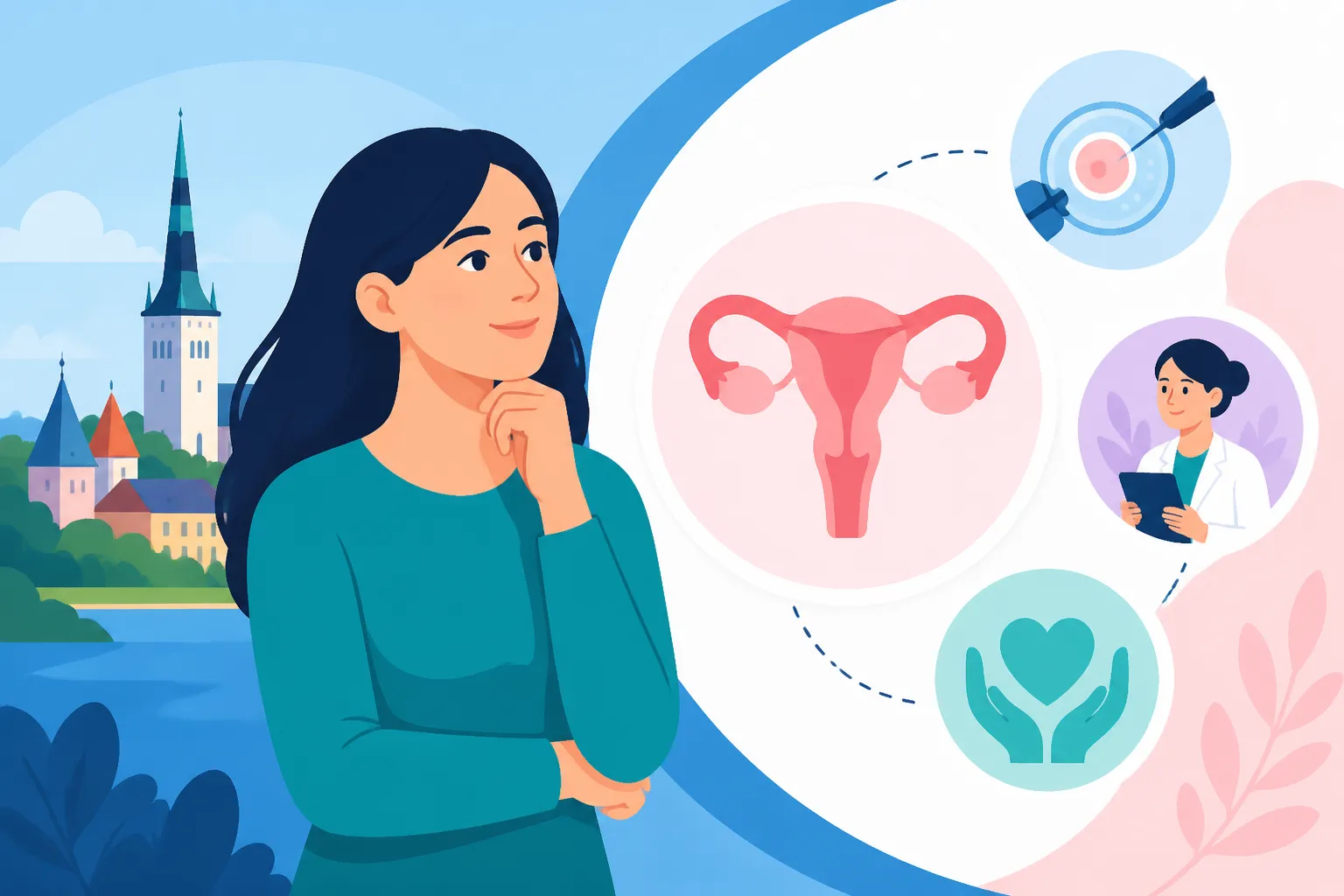
Stepping into the world of reproductive health and fertility treatments in a new country like Estonia can feel incredibly daunting, like navigating a labyrinth blindfolded. You're already dealing with the emotional weight of these deeply personal matters, and then you layer on unfamiliar administrative systems, a different language, and unique healthcare practices. It’s enough to make anyone feel overwhelmed and alone. This guide aims to pull back the curtain, walking you through exactly how expats and visitors can access crucial reproductive health services, including IVF, in Estonia, offering practical insights and empathetic support every step of the way.
Getting Started: Your First Steps into Estonian Reproductive Healthcare
When you're dealing with something as sensitive and personal as reproductive health, the last thing you need is bureaucratic hurdles. Thankfully, Estonia has a robust healthcare system, but knowing how to enter it is key. Your journey typically begins with establishing your fundamental healthcare access.
Securing Your Personal Code and Family Doctor
The absolute bedrock of accessing any public healthcare service in Estonia, including reproductive health, is your personal identification code, or Isikukood. Without it, you're essentially invisible to the system. You’ll need this code to register your residence, which in turn usually leads to eligibility for the Estonian Health Insurance Fund, or Tervisekassa. Trust me, getting your Isikukood is like unlocking a cheat code for life here; it's central to everything from banking to healthcare. For a comprehensive overview, read our guide on how to get your Isikukood (Personal Code) and why it matters for healthcare.
Once you have your Isikukood and your Tervisekassa coverage is active (which typically happens once you're officially employed and paying social tax, or meet other criteria for residence), your next crucial step is to register with a family doctor, known as a perearst. In Estonia, the perearst is your primary point of contact for nearly all medical issues. They are the gatekeepers, so to speak, to specialist care. Without a referral from your family doctor, seeing a gynaecologist or a fertility specialist through the public system can be exceptionally difficult, if not impossible. For more detail on this essential step, check out The Expat Guide to Finding a Family Doctor (Perearst) in Estonia.
Imagine you're a new arrival, perhaps still getting your Tervisekassa sorted, but you need to see a gynaecologist urgently. You might feel stuck. In such cases, private clinics can be a lifeline. While they come with a cost, they offer direct access without a referral. For those still navigating the initial stages of expat life, or between Tervisekassa coverages, general expat health insurance options like SafetyWing can provide a safety net for unexpected general medical issues, although it's crucial to understand that such policies typically have exclusions for pre-existing conditions and often for fertility treatments specifically.
Finding a Gynaecologist and Initial Consultations
Once you're connected to the public system via your perearst, getting a referral to a gynaecologist (günekoloog) is usually straightforward for routine check-ups or initial concerns. Your family doctor can assess your needs and issue an electronic referral (saatekiri), which will then be visible in the digital healthcare system. This process is generally efficient, but waiting times for initial appointments with gynaecologists in the public sector can sometimes be longer, especially in larger cities like Tallinn or Tartu.
If you’re seeking advice on reproductive health issues, whether it's contraception, menstrual problems, or early fertility concerns, your perearst will likely refer you to a gynaecologist. This specialist will conduct initial examinations, discuss your medical history, and may order some basic tests. In Estonia, gynaecologists are highly skilled and professional, and while some may have a more reserved bedside manner than you're used to, their care is thorough. It's often reassuring to know that confidentiality is strictly maintained within the Estonian healthcare system, a relief for such personal matters.
For those who might prefer to bypass the referral process, or simply want a quicker appointment, private gynaecology clinics are readily available throughout Estonia, particularly in urban centres. These clinics offer direct access, often with more flexibility in scheduling and the added benefit of potentially finding an English-speaking doctor more easily. Keep in mind that for private visits, you will be paying out-of-pocket, or through private health insurance if your specific policy covers such consultations. You can learn more about the differences in our guide on Public vs Private Healthcare in Estonia: Which Should Expats Choose? Remember, understanding the entire healthcare system in Estonia for new arrivals is complex, so a good starting point is The Complete Guide to Healthcare in Estonia for Expats (2026).
Navigating Fertility Treatment and IVF Options in Estonia
When the journey shifts from general reproductive health to the more specific realm of fertility challenges and IVF, the complexities can feel amplified. Estonia has made significant strides in providing accessible fertility treatments, but knowing the pathway is crucial for expats.
The Referral Process for Fertility Investigations and IVF
The first significant step towards fertility treatment in Estonia, especially if you intend to utilise the public healthcare system (and its subsidies), is to go through a gynaecologist for initial investigations. Your perearst will refer you to a gynaecologist who specialises in fertility issues. This gynaecologist will conduct a series of tests to diagnose the cause of infertility. These might include blood tests to check hormone levels, ultrasound scans to assess ovarian reserve and uterine health, and for male partners, semen analysis.
This diagnostic phase is essential. It's not just about finding a clinic; it's about understanding the root cause of the fertility challenge. The gynaecologist will review all results and, if IVF (In Vitro Fertilisation) or other assisted reproductive technologies (ART) are deemed necessary and appropriate, they will issue a referral to a dedicated fertility clinic or a hospital department specialising in ART. This systematic approach ensures that patients receive appropriate care based on a thorough medical evaluation. For a deeper understanding of how to access specialist care, consider reading How to Access Specialist Care Through the Estonian Public System.
It’s important to manage expectations regarding waiting times. While Estonia is efficient, specialist referrals and subsequent treatment initiation in the public system can involve some waiting. If time is a critical factor for you, private clinics offer an alternative, though you will bear the full financial burden.
Public vs. Private IVF Clinics: Eligibility and Costs
Estonia is quite progressive in offering state support for fertility treatments. The Tervisekassa covers a significant portion of IVF costs for eligible couples, which is a huge relief for many. However, eligibility comes with specific criteria:
- Age Limits: Typically, the Tervisekassa covers IVF cycles for women up to a certain age, usually around 40 or 41. It's vital to check the precise current age limits, as these can be subject to change.
- Number of Cycles: There's usually a limit on the number of IVF cycles that are covered by the Tervisekassa (e.g., three full cycles, or a specific number of embryo transfers).
- Marital Status/Relationship: While traditional public understanding often assumes marriage, Estonia's approach to registered partnerships and cohabitation is evolving, so it's always best to confirm the most current Tervisekassa requirements for partnerships.
- Residency and Insurance Status: You (and your partner, if applicable) must be covered by the Tervisekassa and meet specific residency requirements. This means having an active Estonian health insurance status, usually acquired through employment and social tax contributions. Our guide on Registering with the Tervisekassa in Estonia: The Complete Expat Guide (2026) explains this in detail.
Public Sector Options: The main public hospitals offering fertility treatments and IVF in Estonia are generally well-regarded.
- East Tallinn Central Hospital (Ida-Tallinna Keskhaigla): Specifically, their Women's Clinic is a prominent centre for gynaecology and reproductive medicine, offering comprehensive fertility services including IVF.
- Tartu University Hospital (Tartu Ülikooli Kliinikum): Another leading institution, particularly known for its strong medical research and comprehensive services, including fertility treatments.
These public facilities are equipped with modern technology and highly skilled specialists. The primary benefit, of course, is the cost: eligible patients only pay a small co-payment for certain services and medications, with the bulk of the cost covered by the state.
Private Sector Options: For those not eligible for Tervisekassa coverage, or who prefer a potentially faster route with more personalised options, private fertility clinics are an excellent choice. Two prominent private clinics are:
- Nova Vita Kliinik: Located in Tallinn, Nova Vita is one of the oldest and most well-known private fertility clinics in Estonia. They offer a full range of assisted reproduction treatments, including IVF, ICSI, egg and sperm donation, and embryo freezing. They are accustomed to international clients and often have English-speaking staff.
- Elite Kliinik: Based in Tartu, Elite Kliinik also provides comprehensive fertility services. They pride themselves on a personal approach and up-to-date treatment methods.
The costs at private clinics are considerably higher, as you will be paying for the full treatment yourself. A single IVF cycle can range from €2,500 to €5,000 or more, not including medication, which can add another €1,000 to €2,000 per cycle. These figures are approximate and can vary significantly based on individual treatment plans and clinic pricing. For a broader perspective on medical expenses, refer to The Cost of Healthcare in Estonia: A Complete Breakdown for Foreigners (2026).
Here’s a simplified comparison of public and private IVF options:
| Feature | Public (Tervisekassa covered) | Private (Self-funded) |
|---|---|---|
| Eligibility | Strict age limits, number of cycles, Tervisekassa status | Generally broader, no Tervisekassa required |
| Cost to Patient | Minimal co-payments for services and medications | Full cost of treatment, typically €2,500-€5,000+ per cycle (excl. meds) |
| Waiting Times | Potentially longer for initial consultations/treatment | Generally shorter, faster access |
| Referral Needed | Yes, from perearst to gynaecologist to fertility clinic | No, direct access possible |
| Clinic Examples | East Tallinn Central Hospital, Tartu University Hospital | Nova Vita Kliinik, Elite Kliinik |
| Language Support | Varies, might need to request English-speaking staff | More likely to have English-speaking staff |
| Treatment Range | Comprehensive, follows national guidelines | Wide range, including advanced and experimental options |
It’s crucial to speak directly with the clinics to get the most accurate and up-to-date information on eligibility, pricing, and available treatments.
Practicalities and Emotional Support on Your Fertility Journey
Undergoing fertility treatment is a deeply personal and often emotional experience. As an expat, these challenges can be amplified by being away from your usual support networks. Knowing the practicalities and where to find support can make a huge difference.
Language, Logistics, and Finding Support Networks
While many medical professionals in Estonia, especially younger ones, speak English well, language can still be a barrier, particularly in public institutions or with older doctors. When dealing with complex medical information and emotional topics like fertility, clear communication is paramount. Don't hesitate to ask if an English-speaking doctor is available when booking appointments. In private clinics, you're more likely to find staff proficient in English, as they often cater to an international clientele. If needed, consider bringing a trusted friend or partner who speaks Estonian to appointments, or inquire about professional medical interpreting services. You can also explore our guide on How to Find an English-Speaking Doctor in Estonia.
Logistically, most fertility clinics are concentrated in Tallinn and Tartu. If you live in a smaller town, you will need to factor in travel time and arrangements for appointments, which can be frequent during treatment cycles. Public transport in Estonia is generally efficient, but for early morning appointments or multiple visits in a week, you might prefer driving or taxis.
Beyond the medical appointments, the emotional toll of fertility treatment cannot be overstated. It's a journey filled with hope, anxiety, and sometimes disappointment. Finding a support network is incredibly important. Connect with expat groups on social media platforms – you'll often find others who have gone through similar experiences in Estonia and can offer invaluable advice and emotional solidarity. There are also local Estonian support groups, though these might primarily operate in Estonian. Additionally, consider seeking professional psychological support. Many clinics offer counselling as part of their services, and you can also find independent mental health services. If you feel you need to talk to someone, How to Access Mental Health Services in Estonia as an Expat can point you in the right direction.
Understanding Health Insurance Nuances
This is where things get a bit tricky for expats. As mentioned, for comprehensive coverage of IVF and other fertility treatments, the Tervisekassa is your primary resource. You must be registered and actively insured with them to benefit from the state subsidies. This usually means being a tax-resident employed in Estonia and paying social tax. Our detailed guide, Understanding Health Insurance Through Social Tax in Estonia, explains this connection.
What about private health insurance? While private health insurance plans in Estonia can offer faster access to gynaecologists and other specialists for general reproductive health concerns (e.g., routine check-ups, diagnostic tests for non-fertility related issues), they almost universally exclude fertility treatments, including IVF. This is a standard exclusion across most private health insurance policies globally, not just in Estonia, due to the high cost and elective nature often associated with these treatments.
Even expat-focused travel and medical insurance providers like SafetyWing, while excellent for covering unexpected illnesses and accidents during your stay, explicitly state that fertility treatments, contraception, and anything related to pregnancy beyond basic prenatal care are not covered. It's essential to read the fine print of any insurance policy you consider. Therefore, if fertility treatment is a potential need, your focus should be on securing Tervisekassa eligibility or preparing for the significant out-of-pocket costs associated with private clinics. Don't rely on general expat or travel insurance for fertility treatments; it's a common misconception that can lead to unexpected financial burdens. For a full picture of insurance options, check out Health Insurance in Estonia: Mandatory, Private and Travel Options Explained.
Ultimately, accessing reproductive health and IVF services in Estonia as an expat requires patience, proactive research, and a clear understanding of the Estonian healthcare system's structure and your eligibility within it. By tackling the administrative steps first, understanding your options, and seeking out support, you can navigate this journey with greater confidence.
Disclaimer
The information provided in this guide is intended for general informational purposes only and does not constitute medical, legal, or financial advice. Healthcare regulations, eligibility criteria, and costs in Estonia are subject to change. Always consult with qualified medical professionals, legal experts, or the Estonian Health Insurance Fund (Tervisekassa) for the most accurate and up-to-date information tailored to your specific situation.