How Do I Submit Biometrics for My Estonian Residence Card?
Trying to figure out the exact steps for something as crucial as submitting biometrics for your Estonian residence card can feel like navigating a maze blindfolded, especially when you're already juggling the myriad other tasks of settling into a new country. This guide is here to cut through the confusion and give you a crystal-clear, step-by-step walkthrough on how and where to submit your biometrics, ensuring a smoother journey towards getting that all-important residence card in Estonia.
Understanding the Biometrics Requirement for Your Estonian Residence Card
Before we dive into the nitty-gritty of the process, it’s really helpful to understand why you even need to submit biometrics in the first place. When you’re applying for an Estonian residence permit, whether it's a temporary one for work or study, or even a long-term status, your biometrics – specifically your fingerprints and facial image – are a mandatory component of the application. It’s not just a formality; it’s a critical security measure.
Why Biometrics Are Necessary
Think of biometrics as a highly secure, personal signature that’s almost impossible to forge. The Estonian Police and Border Guard Board (PPA), like immigration authorities worldwide, uses these unique physical characteristics to verify your identity. This helps prevent identity fraud, ensures that the person applying for the residence permit is genuinely who they claim to be, and links your identity directly to your residence card. It’s all part of making the system more secure for everyone. Without these identifiers, your residence card wouldn't be as robust a document, nor would it comply with EU-wide security standards for identification and travel documents. It’s a foundational step to ensure the integrity of your legal status here.
Moreover, these biometrics are stored digitally and linked to your unique personal code, or Isikukood, which becomes your key to virtually all public services in Estonia. When you present your residence card, officials can quickly cross-reference your live biometrics with the data stored, confirming your identity with high certainty. This system is designed to streamline administrative processes in the long run, even if the initial submission feels like another hurdle to clear. It’s all about creating a secure and efficient digital society, which Estonia prides itself on.
Who Needs to Provide Biometrics
Generally speaking, almost everyone applying for an Estonian residence permit or a long-stay (Type D) visa will need to provide biometrics. This isn't just for adults; children over the age of 6 are also typically required to have their fingerprints and facial image taken. There are some very specific, rare exemptions, usually related to physical inability to provide fingerprints, but for the vast majority of expats, this is a non-negotiable step. Whether you're coming here on a work visa, a student permit, or for family reunification, plan on a biometrics appointment being part of your journey.
If you're wondering if your particular situation necessitates biometrics, it’s always best to check the official PPA website or consult directly with them. However, for a general understanding, if you're getting a residence card, it will have a biometric chip embedded, and therefore, your biometrics must be on file. This applies whether you're submitting your initial application for a temporary residence permit or going through the process to renew your Estonian residence permit. The system is designed to capture this data consistently across the board to ensure every residence card issued is fully compliant and secure.
The Step-by-Step Process for Submitting Biometrics in Estonia
Alright, so you’ve got your application in, or you’re about to submit it. Now comes the practical part of actually getting those fingerprints and that photo taken. For those already in Estonia, or planning to complete this step here, the process primarily involves the Police and Border Guard Board (PPA) service points. It’s essential to be organised and prepared, as showing up without the right documents or an appointment can lead to frustrating delays.
Booking Your Appointment with the PPA
This is often the first hurdle, and it’s one that many expats find a bit daunting due to high demand, especially in Tallinn. To submit your biometrics and supporting documents for your residence card, you absolutely need to book an appointment with the PPA. You can do this through their official online booking system, which is usually found on the PPA website. You'll need to select the type of service – something like "Residence Permit application submission" or "ID document submission" – and then choose a suitable time and location. Tallinn and Tartu usually have multiple service points, while smaller towns might have one.
When booking, make sure you have your personal details handy, including your name, contact information, and sometimes your application number if you've already submitted the initial paperwork. The system allows you to pick a date and time that works for you, but be warned: slots can fill up fast, so it’s advisable to book well in advance. Don’t wait until the last minute, especially if your current visa or permit is about to expire! Many expats end up stressed out because they couldn’t get an appointment for weeks. Booking your appointment at the Police and Border Guard Board (PPA) should be one of your top priorities once your application process is underway.
What to Bring to Your Biometrics Appointment
This is where preparation is key to avoiding a wasted trip. For your biometrics appointment, you need to bring a specific set of documents. Firstly, always bring your valid travel document (passport) – the one you used for your residence permit application. Secondly, bring any confirmation of your appointment, whether it’s a printout or on your phone. Thirdly, and critically, bring all the supporting documents for your actual residence permit application. Even if you've submitted parts online, they often want to see originals or certified copies. This could include your signed application form, proof of accommodation, your work contract, marriage certificate, or proof of funds.
You will also need a passport-style photo, meeting specific Estonian requirements (usually 40×50 mm, colour, plain light background, neutral expression, etc.). While many PPA offices have photo booths, it's safer to come prepared with professional photos to avoid any issues. Make sure you've also gathered everything specified in the instructions for your type of permit. For instance, if you’re applying for residence based on employment, you’ll need documents like your employment contract and sometimes a letter from your employer. Having all these documents readily available will not only facilitate your biometrics submission but also allow the PPA officer to review your entire application on the spot. If you’re unsure about the exact list, refer to "What Documents Do I Need for an Estonian Residence Permit?" for a comprehensive checklist.
The Biometrics Collection Process
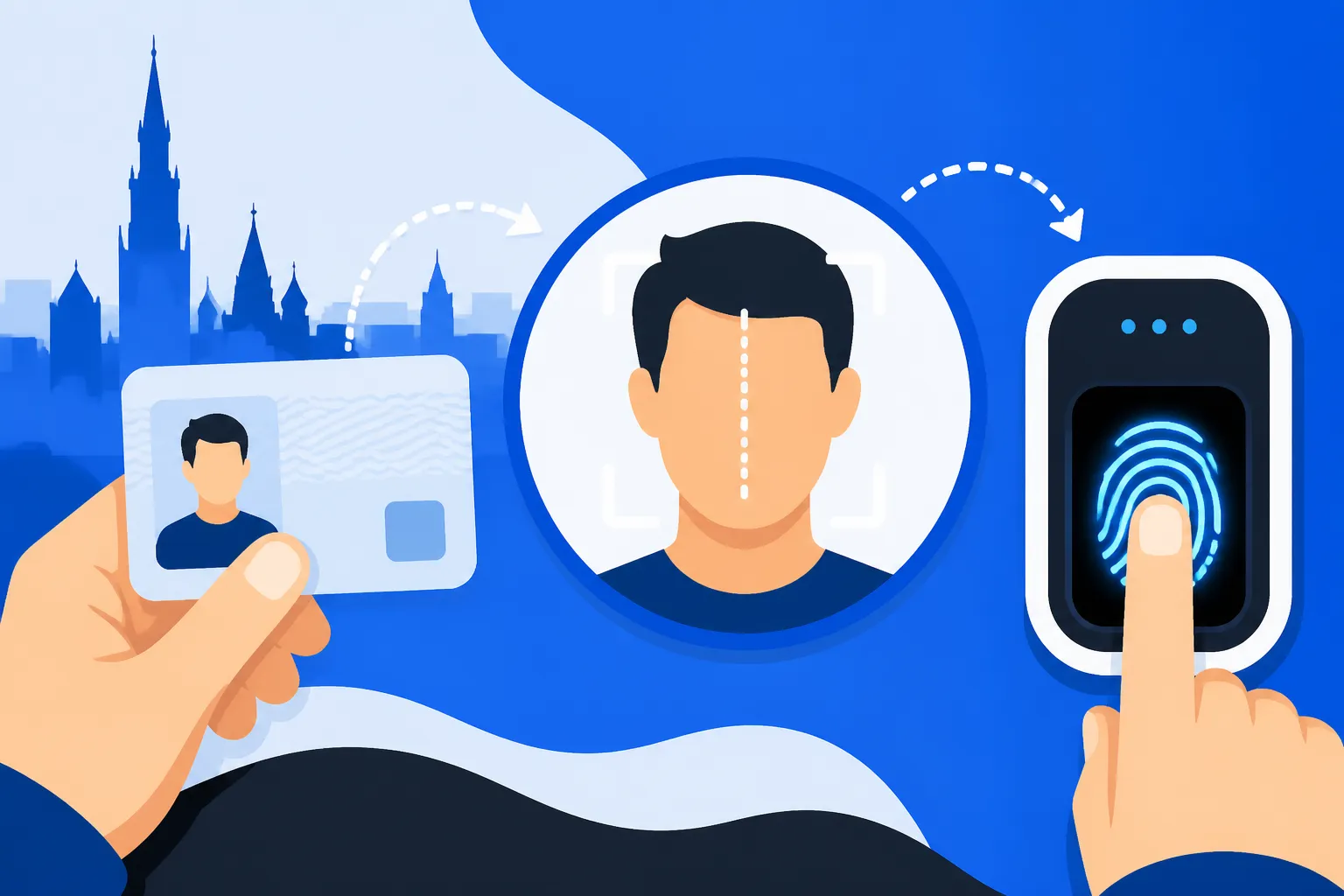
Once you're at the PPA service point and your number is called, you'll meet with an officer who will review your documents. This is usually the stage where they collect any physical paperwork you need to submit. They'll then guide you through the biometrics collection itself. First, your facial image will be captured, which is essentially a digital photograph taken right there at the desk. Make sure you don't wear hats, sunglasses, or anything that obscures your face. Next come the fingerprints. You'll be asked to place your fingers, one by one and then together, on a digital scanner. It's a quick, straightforward process, usually capturing all ten fingerprints.
The officers are generally professional and will guide you through each step. It’s a sterile, efficient process. If there are any issues, like unclear prints, they’ll ask you to try again. The entire biometrics collection usually takes only a few minutes once you’re called up. After everything is submitted and verified, the officer will confirm that your application is complete and provide you with a receipt or an acknowledgment. This confirmation is vital, so keep it safe! It signifies that the PPA has everything they need from you for the physical identity components of your application.
Submitting Biometrics from Outside Estonia: What You Need to Know
For many people, especially those moving to Estonia from non-EU countries, the biometrics submission happens before you even set foot in the country. This is typically the case when you’re applying for a long-stay (Type D) visa or a temporary residence permit from abroad. It’s a slightly different procedure than if you were already physically in Estonia, but the underlying requirement remains the same.
Biometrics at Estonian Embassies or Consulates
If you're applying for your Estonian residence permit or a long-stay D-visa from outside Estonia, you will generally submit your biometrics at an Estonian embassy or consulate in your home country or the country where you legally reside. The process is very similar to what you'd experience at a PPA service point in Estonia. You'll need to book an appointment with the embassy or consulate in advance. Their websites will usually have instructions on how to do this and what specific documents to bring. Always check the specific requirements of the embassy you're dealing with, as they can sometimes have slightly different appointment systems or document checklists.
During your appointment, a consular officer will review your application documents, take your digital facial image, and capture your fingerprints using their equipment. This unified process ensures that no matter where you apply from, your biometric data is collected according to the same standards. This is a critical step in the overall application process, especially for those who need a Long-Stay (Type D) visa for Estonia, as it typically precedes the final decision on your visa or residence permit. Make sure your visa application specifies that you need to apply for a residence card once you arrive, otherwise, you might have to go through the biometrics again at the PPA in Estonia.
Special Considerations for Certain Countries
While the general process is consistent, there can be some nuances depending on your country of origin or residence. In some cases, if Estonia doesn't have an embassy or consulate in your country, you might be directed to a consulate of another Schengen Area member state that represents Estonia for visa applications. In such scenarios, ensure that they are indeed authorised to collect biometrics for Estonian applications. Always double-check this information with the Estonian Ministry of Foreign Affairs or the PPA. The good news is that the technology for biometric collection is standardised, so the actual scanning process itself should be uniform regardless of where it's performed.
It's also worth noting that some countries might have specific security protocols or processing times that could affect your experience. For instance, if you're coming from a country with heightened security concerns, there might be additional background checks or a longer processing period for your overall permit application. This isn't usually related to the biometrics collection itself, but rather the broader immigration context. Therefore, it's wise to build in extra time for your application if you're dealing with an embassy or consulate, and stay in close communication with them regarding your application status. Some applicants consider using services like Sirelo to help them manage their move, including understanding these various logistical steps, especially when coming from afar.
After Your Biometrics Submission: What's Next?
So you've submitted your biometrics, breathed a sigh of relief, and now you're wondering what happens next. The waiting game can be the hardest part, but knowing what to expect can ease some of that anxiety. Your biometrics submission is a crucial milestone, but it's not the final step.
Processing Times and Card Production
Once your biometrics are submitted, they are sent for processing along with the rest of your application. The PPA needs to verify your identity, conduct any necessary background checks, and then make a decision on your residence permit application. The processing times can vary significantly depending on the type of permit you applied for, the volume of applications, and the time of year. While the PPA website usually provides estimated processing times, these are just estimates. It’s not uncommon for it to take anywhere from a few weeks to a couple of months, sometimes even longer in complex cases.
During this period, your residence card is also put into production. This physical card contains a microchip embedded with your biometric data, making it a secure and advanced identification document. The production itself can take some time after your application is approved. You will usually receive an email or an SMS notification once your residence permit has been approved and your card is ready for collection. This notification is your golden ticket, so keep an eye out for it! For a general idea of timelines, you might find "How Long Does It Take to Get an Estonian Residence Permit?" a useful resource.
Collecting Your Residence Card
Once you receive the notification that your residence card is ready, you'll need to go back to a designated PPA service point to collect it. When booking your initial appointment, you might have already specified a preferred collection point (e.g., the same office where you submitted your biometrics, or another convenient location). When you go to collect your card, remember to bring your valid travel document (passport) for identification. They will verify your identity one last time before handing over your new Estonian residence card.
It’s an exciting moment when you finally hold that card in your hands – it signifies your official status and right to reside in Estonia! Ensure that all the details on the card (your name, date of birth, photo, validity period) are correct before you leave the office. If you find any discrepancies, point them out immediately. This card is not just a residence permit; it also serves as your official ID card within Estonia and allows you to travel visa-free within the Schengen Area. Remember, proper health insurance, such as what Cigna Global offers, is often a prerequisite for obtaining and maintaining your residence permit, so ensure that aspect is always covered.
Common Challenges and Troubleshooting for Biometrics
Even with the best preparation, sometimes things don't go exactly as planned. Bureaucracy, technology, and life itself can throw curveballs. It’s good to be aware of potential issues and how to navigate them so you don’t end up stuck in a frustrating loop.
Dealing with Missed Appointments or Technical Issues
Life happens, and sometimes you might miss your scheduled biometrics appointment. Don't panic, but also don't ignore it. The first thing you should do is try to rebook another appointment as soon as possible through the PPA’s online system. Be prepared for potential delays in getting a new slot, especially during peak seasons. If you foresee that you won't be able to make your appointment, try to cancel it in advance to free up the slot for someone else and maintain good standing.
Technical issues, though rare, can also occur. Maybe the fingerprint scanner isn't working correctly, or there's a problem with the photo capture. The PPA staff are usually well-trained to handle these situations. They might ask you to try again, use a different machine, or even reschedule if the issue is systemic. The key is to remain patient and cooperative. Remember, their goal is to get accurate biometrics for your card, just like yours is to provide them. It’s a joint effort to get things right.
Language Barriers and Assistance
While many PPA officers and embassy staff in Estonia speak excellent English, there might be instances where you encounter a language barrier, especially if you're dealing with a service point outside of Tallinn or Tartu. Don't let this deter you. Estonian authorities are generally helpful. If you’re struggling, you can politely ask if there's an English-speaking officer available. It can also be a good idea to bring a friend or a professional translator if you anticipate significant language difficulties, especially if you have complex questions about your application.
Additionally, always remember that much of Estonia’s administrative services are online, including the PPA website, which usually has an English version. Utilise these digital tools as much as possible, as they often provide clear instructions and forms in English. Being proactive and having key questions written down in both English and Estonian can also go a long way in bridging any communication gaps during your biometrics submission. After all, obtaining your Isikukood (personal code) is usually one of the very first steps, and that digital identifier then facilitates many interactions, often in English, within the Estonian digital ecosystem.
Disclaimer
Please remember that immigration laws and procedures can change rapidly. While I strive to provide the most current and accurate information based on my experience and available data, this guide is for informational purposes only and does not constitute legal advice. Always cross-reference information with the official Estonian Police and Border Guard Board (PPA) website or consult with an immigration lawyer for personalised guidance regarding your specific situation.