Can I Bring My Spouse on an Estonian Digital Nomad Visa?
Trying to figure out how to bring your beloved spouse along on your exciting Digital Nomad Visa adventure to Estonia can feel like cracking an ancient code, especially when you're already neck-deep in your own application. It's frustrating to navigate seemingly simple things when you're an outsider. This guide aims to clear the confusion, giving you a detailed, realistic roadmap for securing your spouse's temporary residence alongside your Estonian DNV.
Can Your Spouse Actually Join You on an Estonian Digital Nomad Visa? Absolutely, and Here's How
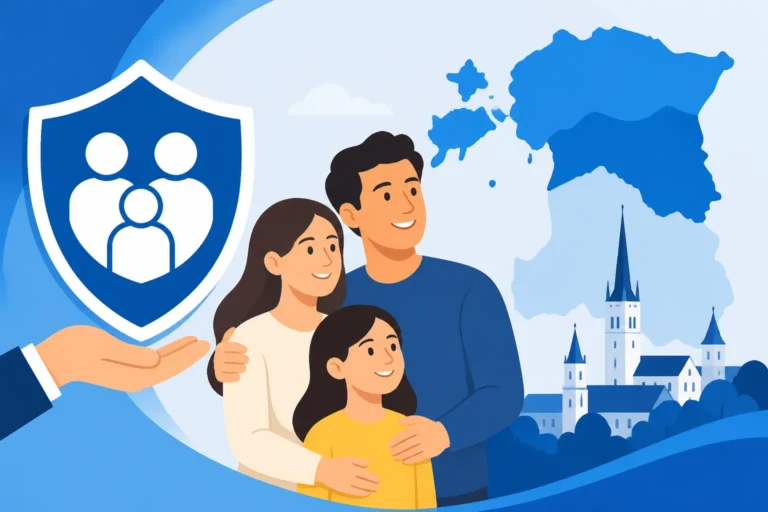
Let's cut right to the chase because this is the question that keeps most digital nomads up at night: yes, your spouse can absolutely join you in Estonia if you're holding a Digital Nomad Visa. It’s a huge relief to hear, I know, because the thought of pursuing this exciting new life without your partner just isn't an option for most of us. However, it’s not as simple as checking a box on your own DNV application. Your spouse will need to apply for their own separate temporary residence permit, and it will be linked directly to your digital nomad status.
This "family reunification" permit is the official term for what your spouse will be seeking. It means their right to live in Estonia is dependent on your primary permit. So, if your Digital Nomad Visa is revoked or expires, their residence permit would also cease to be valid. This direct link is crucial to understand from the outset. It underscores the importance of keeping your own DNV status in good standing. There are situations where people get tangled up because they didn't realize how interconnected these permits were, leading to unexpected stress down the line. It's not about distrust, it's about the legal framework ensuring everyone has a valid reason to reside in the country.
The good news is that Estonia's legal framework explicitly allows for family reunification, so you’re not trying to push a square peg into a round hole. You're following an established procedure. While your DNV is a Type D visa, your spouse will generally be applying for a temporary residence permit based on family ties. This might sound like splitting hairs, but it’s an important legal distinction. It means that while you're proving your remote income, they're proving their relationship to you and your ability to support them.
The DNV as the Foundation for Family Life in Estonia
Your Digital Nomad Visa acts as the fundamental building block for your family’s entire legal stay in Estonia. Without it, your spouse wouldn't have the primary connection required for their family reunification permit. So, securing your own DNV is the first and most critical step. Once you have that, or are well into its application process, you can then focus on your spouse's application. Many couples submit their applications concurrently, or you can even wait for your DNV to be approved before starting theirs. There are pros and cons to both approaches, mostly revolving around processing times and coordinating travel.
For instance, applying concurrently might mean both applications are processed around the same time, allowing you both to move together. However, if there's a hiccup in one application, it could hold up the other. Submitting yours first, waiting for approval, then theirs, provides a clearer path but might mean staggered travel dates. You might find some helpful planning insights on moving to Estonia in "The Complete Guide to Moving to Estonia: Your First 90 Days (2026)".
When I first moved here, I spent weeks just trying to understand the different visa types, let alone how to add dependents! The Estonian Police and Border Guard Board (PPA) website is your primary source of truth for the latest requirements and forms. It's often updated, so make sure you're always checking the most recent information, as rules and income thresholds can shift, sometimes with little fanfare.
Navigating Your Spouse’s Temporary Residence Permit Requirements
Getting your spouse's temporary residence permit isn’t just a formality; it’s a process that demands meticulous attention to detail and a thorough understanding of Estonian immigration law. The Police and Border Guard Board (PPA) will be looking for specific proof in several key areas to ensure your spouse meets the criteria for residing in the country. This isn't about being difficult; it's about ensuring legal compliance and that new residents are well-supported.
Often, the most challenging part for expats is translating foreign documents or getting them properly apostilled – a process that can take weeks or even months depending on your home country's administrative speed. Many people have almost pulled their hair out over this, so be prepared and start gathering these documents early!
Concrete Proof of Your Marital Status
The PPA is going to want indisputable evidence that you and your spouse are indeed, well, spouses. This isn't the time for a casual declaration; you'll need formal documentation.
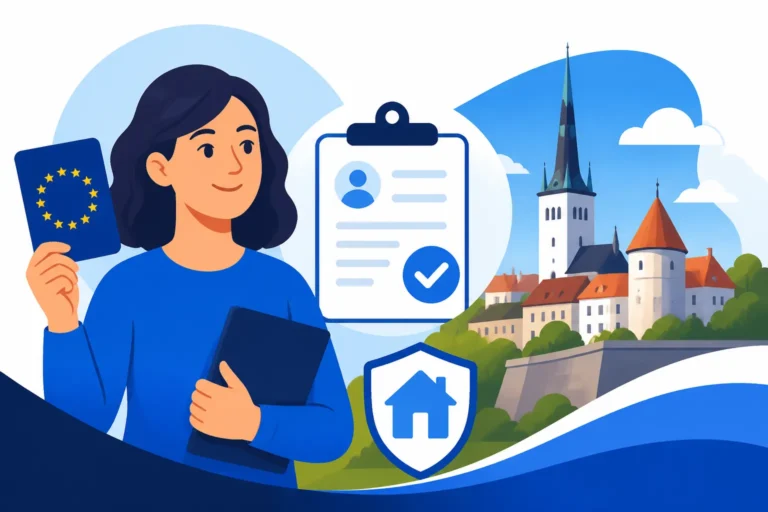
- Official Marriage Certificate: This is the cornerstone. You must present your original marriage certificate. If it was issued in a country that is a signatory to the Hague Apostille Convention, it needs to have an apostille affixed. If your country is not a signatory, the certificate will need to be fully legalized through the diplomatic channels of both countries, which can be a more involved process. This is something often misunderstood, causing significant delays. I recall a friend from Australia who had to send their certificate back home for an apostille, which added weeks to their timeline.
- Translations: Any document not in English, Russian (sometimes accepted), or Estonian must be translated by a sworn translator. This isn't a task for Google Translate; it needs to be an official translation recognized by Estonian authorities. You can often find a list of sworn translators on the Estonian Ministry of Justice website or via expat forums.
- Identity Documents: Your spouse will need their valid international passport. Ensure it has plenty of validity – typically at least six months beyond their planned residence permit expiry. Copies of your passport and your Digital Nomad Visa/residence permit will also be required to show the link.
It’s advisable to have multiple certified copies of your marriage certificate and its translation, as you might need them for other administrative tasks later, like opening a bank account or registering your place of residence. Finding a reliable real estate agent to help with registration is sometimes needed and for this, they will ask for such documents.
Demonstrating Adequate Financial Resources
This is where many expat families feel the pinch and the pressure. Estonia requires that you, as the primary DNV holder, can financially support your spouse without them relying on Estonian social welfare. This means demonstrating a consistent and sufficient income.
- Your DNV Income: Since your spouse's permit is tied to yours, your declared remote income for your Digital Nomad Visa will be the primary proof of funds. For the DNV, the income threshold is set annually. For 2024, it's typically around €4,500 gross per month. For family reunification, you will need to demonstrate additional funds for each dependent. The exact amount can vary, but generally, expect to prove an income significantly higher than the single DNV holder's requirement to cover both of you comfortably. The PPA wants to see a stable income source.
- Bank Statements: Provide recent bank statements (usually for the last 6 months) from your primary bank account showing consistent income and sufficient funds. These statements should ideally be officially stamped by the bank or generated from an online banking system with verifiable details.
- Proof of Accommodation: You'll also need to prove that you have suitable accommodation for both of you in Estonia. This could be a rental agreement (üürileping) or proof of property ownership. The PPA wants to ensure you have a stable base. You can find more specific guidance on this in "How to Apply for a Temporary Residence Permit in Estonia."
Remember, it's not just about meeting the minimum; it's about providing robust, clear evidence. If your income is variable, showing a healthy savings account balance can bolster your application. Securing private health insurance is another critical financial consideration. You can research various providers, but make sure the policy meets Estonian requirements for residence permits. For example, some expats opt for international providers like Cigna Global to ensure comprehensive coverage and recognition across borders. It's a significant investment, but essential for peace of mind.
The Application Process and What to Expect
Once you've diligently gathered all your documents, the next step is the actual application. This process, while seemingly daunting, is a structured series of steps designed to be followed. However, expecting some delays or requests for additional information is just being realistic; it's almost a rite of passage for expats dealing with official channels! Patience, my friend, is your best ally here.
The administrative burden can be heavy, especially for those not accustomed to bureaucracy. You might feel like you're constantly jumping through hoops. That's a normal expat frustration, and I can tell you from experience, it gets easier with each subsequent renewal or application, as you learn the ropes.
Submitting the Application and Attending Interviews
The application for your spouse’s temporary residence permit will be submitted to the Police and Border Guard Board (PPA).
- Online Application (where possible): While your initial DNV might have had an online component, family reunification applications often require more direct interaction. Sometimes you can start the application online via the e-residency portal or PPA self-service, but typically, an in-person visit is mandatory to submit original documents and provide biometrics.
- Appointment Booking: This is crucial. You'll likely need to book an appointment at a PPA service point in Estonia (or at an Estonian embassy/consulate if applying from outside Estonia). Booking an appointment at the Police and Border Guard Board (PPA) can be a bit of a strategic game; slots, especially in Tallinn, fill up quickly. Be prepared to book several weeks in advance.
- Required Forms and Documents: Ensure you have filled out the application form (often available on the PPA website), gathered all original documents, and made copies of everything. This includes your marriage certificate, passports, proof of funds, health insurance policy, and proof of accommodation. You’ll also need passport-sized photos meeting specific requirements. A checklist on the PPA website is your best friend here.
- Interview: Both you and your spouse may be invited for an interview. This is typically to confirm the authenticity of your relationship and to clarify any details in your application. They might ask questions about when and where you met, your future plans in Estonia, and other details to ensure it’s a genuine relationship and not a marriage of convenience. Be honest, clear, and consistent.
The processing time for residence permits can vary significantly, from a few weeks to several months. The PPA website usually provides estimated processing times, but these are just estimates. It’s always best to apply well in advance of any critical deadlines. You can also explore how to check the status of your residence application in Estonia to stay informed.
What Your Spouse's Permit Allows (and Doesn't Allow)
This is a critical point that often causes confusion and disappointment for trailing spouses. While your spouse’s temporary residence permit based on family reunification allows them to live with you in Estonia, it does not automatically grant them the right to work.
- Residence, Not Work: Your spouse can reside in Estonia, enjoy the beautiful country, travel within the Schengen area, and generally partake in life here. They can also register their place of residence, get an Isikukood (personal code), and access local services. For detailed information on this, check out "Registering Your Place of Residence in Estonia: The Complete Guide."
- Working in Estonia: If your spouse wishes to work in Estonia for an Estonian company, they will typically need to apply for their own separate work permit or residence permit based on employment. This means finding a job first, and then their employer would usually help them apply for the necessary permit. This can be a shock for some, who assume the family reunification permit includes work rights. It's a common expat frustration, as it can make finding employment challenging and limit opportunities for career development. Some employers are willing to go through the sponsorship process, especially if the spouse has highly sought-after skills, but it’s an extra hurdle.
- Entrepreneurship/Freelancing: If your spouse wants to start a business (OÜ) or work as a sole proprietor (FIE) in Estonia, they would need to apply for a residence permit for business or self-employment, with its own financial and business plan requirements. This is a distinct process from the family reunification permit. So, while they can live here, they can't just pick up a job without additional steps.
The silver lining is that with their residence permit, they can explore remote work opportunities for foreign clients, similar to your DNV, but legally speaking, that falls outside of needing an Estonian work permit. Many trailing spouses eventually find their niche doing just that.
Life for the Trailing Spouse in Estonia: Opportunities and Challenges
Once your spouse has their temporary residence permit, they are officially part of the expat community in Estonia. While the initial joy of having them with you is immense, it's important to set realistic expectations for their life here, particularly regarding employment and social integration. Estonia offers a high quality of life, but like anywhere, it comes with its unique set of challenges for newcomers.
Many trailing spouses initially struggle with the lack of automatic work rights. It's a common complaint, and it's completely valid to feel frustrated by it. However, I’ve also seen incredible resilience and creativity in finding new paths and opportunities.
Building a Life: Employment, Social Circles, and Language
For many trailing spouses, the biggest hurdle after settling in is often employment. As discussed, the family reunification permit doesn't automatically grant the right to work for an Estonian entity.
- Job Hunting: If your spouse wants to work locally, they'll need to secure an employer willing to sponsor a work permit or apply for a separate residence permit based on employment. This is where networking becomes invaluable. The Estonian startup scene, particularly in Tallinn and Tartu, is quite international, and many companies are open to hiring foreigners. Websites like Work in Estonia can be a good starting point. However, be prepared for a competitive market, especially if Estonian language skills are limited.
- Remote Work and Freelancing: A popular option for trailing spouses is to leverage their skills for remote work with foreign companies or to become a freelancer, just like you, the DNV holder. This avoids the need for an Estonian work permit, as their clients are outside Estonia. Platforms like Upwork or LinkedIn are great for finding such roles. Many digital nomads thrive in this environment, and it offers great flexibility. You can read more about self-employment options in "Self-Employment in Estonia: The FIE and OÜ Guide for Foreigners".
- Learning Estonian: While many Estonians, especially younger generations and those in tech, speak excellent English, learning some Estonian will significantly enhance your spouse’s daily life and integration. It helps with shopping, interacting with local services, and making local friends. There are various language courses available, and even basic phrases can go a long way. You can explore options in "Learning Estonian: A Complete Guide to Language Courses and Levels".
- Social Integration: Building a social circle takes effort, but Estonia has a welcoming expat community, particularly in Tallinn and Tartu. There are numerous expat groups on social media, meet-ups, and cultural events. Encourage your spouse to join clubs, volunteer, or participate in hobbies. This is crucial for mental well-being and combating potential feelings of isolation.
Healthcare Access and Other Practicalities
Beyond employment and social life, there are other essential aspects to consider for your spouse’s life in Estonia.
- Healthcare: As mentioned earlier, private health insurance will likely be your spouse's primary access to healthcare, especially initially. They won’t automatically be covered by the Estonian Health Insurance Fund (Tervisekassa) unless they start working for an Estonian company and social tax is paid on their behalf. Ensure your private policy, like one from Cigna Global, is robust. It's vital to understand what your policy covers before you need it. For more detailed information, "Health Insurance in Estonia: Mandatory, Private and Travel Options Explained" can be very helpful.
- Isikukood: Once your spouse has their temporary residence permit and registers their place of residence in the population register, they will be issued an Isikukood (personal identification code). This code is your key to almost everything in Estonia – from banking to accessing public services and the digital healthcare system (Digilugu). It's an absolute necessity.
- Driving Licence: If your spouse plans to drive, they will need to understand the rules for exchanging their foreign driving licence in Estonia. Depending on their country of origin and licence type, they may be able to exchange it directly or might need to retake the driving test.
- Daily Life: Estonia offers a safe, clean, and digitally advanced environment. Online services are plentiful, and public transport is efficient, especially in Tallinn where it's free for residents. The cost of living varies but can be managed with careful budgeting. A resource like "The Complete Guide to Cost of Living in Estonia for Expats (2026)" could be invaluable for planning.
Bringing your spouse on an Estonian Digital Nomad Visa pathway requires careful planning, a stack of documents, and a healthy dose of patience. But with the right preparation and a clear understanding of the process, you can absolutely build a new life together in this unique and vibrant corner of Northern Europe. It's a journey, but one well worth taking.
Disclaimer
The information provided in this guide is intended for general informational purposes only and does not constitute legal or professional advice. Immigration laws and regulations in Estonia can change frequently. While we strive to provide accurate and up-to-date information, readers should always consult with the official Estonian Police and Border Guard Board (PPA) website or a qualified immigration lawyer for the most current and personalized advice regarding their specific situation. We are not responsible for any actions taken based on the information contained herein.