How Do I Set Up Gas for Cooking in My Estonian Home?
Moving to a new country like Estonia, you might find yourself in a beautiful new home, only to discover that the simple act of cooking on a gas stove isn't as straightforward as you'd hoped. Many of us arrive from places where natural gas is a given, only to realize that Estonia often leans heavily on electric solutions. If you've just moved into a place with a gas connection and are staring at an unlit hob, wondering how on earth to get it working, this guide is for you. We'll walk through the practical steps to set up gas for cooking, ensuring you can enjoy home-cooked meals without the guesswork.
Understanding the Landscape: Natural Gas vs. LPG in Estonian Homes
When we talk about "gas for cooking" in Estonia, it’s not always a single, simple concept. Unlike some countries where a natural gas hook-up is standard for kitchens, here you'll primarily encounter two main types of gas supply if your home isn't all-electric: piped natural gas or liquefied petroleum gas (LPG) via exchangeable cylinders. Knowing which one you have, or need, is the first crucial step.
Piped Natural Gas: The City Dweller's Option
Piped natural gas is what most people think of when they imagine a gas stove. This is where gas is delivered directly to your home through an underground pipeline network. In Estonia, this is most common in older apartment buildings and some private houses, particularly in larger cities like Tallinn or Tartu, and areas with established infrastructure. If your apartment has a gas stove, it's highly likely connected to this network.
The biggest advantage of piped natural gas is convenience. You don't have to worry about running out or changing bottles. It's a continuous supply, and you just pay a monthly bill based on your consumption. The downside, if you don't already have it, is the cost and complexity of installation; bringing a new pipeline to a property that doesn't have one is a major, expensive project, usually undertaken by a developer or a collective of homeowners. For individual renters or buyers, you're usually looking for a property that already has this connection. The main provider for natural gas in Estonia is Eesti Gaas, a name you'll quickly become familiar with if you go down this route. When you're in the process of setting up all your new services, remember that details like this are key, and a guide like The Complete Guide to Moving to Estonia: Your First 90 Days (2026) can offer a broader overview of initial setup.
LPG (Propane/Butane) Cylinders: Rural Charm and Backup Power
LPG, often a mixture of propane and butane, comes in pressurized steel cylinders. This type of gas is more prevalent in rural areas, summer cottages, or older properties where piped natural gas isn't available. You might also find it in some city apartments if a previous owner installed a gas hob but there's no piped network. The cylinders come in various sizes, typically 5 kg, 11 kg, or 21 kg for household use, and they need to be manually replaced when empty.
The main benefit of LPG cylinders is flexibility and availability, especially off the grid. You can get gas anywhere you can transport a cylinder. However, the obvious drawback is the need to monitor gas levels, exchange empty bottles, and the upfront cost of the gas itself. Safety is also a more immediate concern, as you're storing a highly flammable substance directly in or near your living space. Companies like Reola Gaas or Alexela are common providers for LPG cylinders. While you're getting settled and setting up things like your utilities, having a reliable internet connection is crucial, and eSIM services from companies like Airalo can be a lifesaver for staying connected from day one, especially before your home internet is sorted.
Setting Up Your Gas Connection: Step-by-Step for Expats
Once you've identified whether your Estonian home has a piped natural gas connection or relies on LPG cylinders, the steps to get cooking differ significantly. Let's break down each scenario to make it as painless as possible.
Activating Piped Natural Gas
If your home is already equipped with a connection to the natural gas grid, the process primarily involves engaging with the service provider and ensuring your internal system is safe and functional. This is where you'll typically interact with Eesti Gaas.
Step 1: Confirming Existing Infrastructure
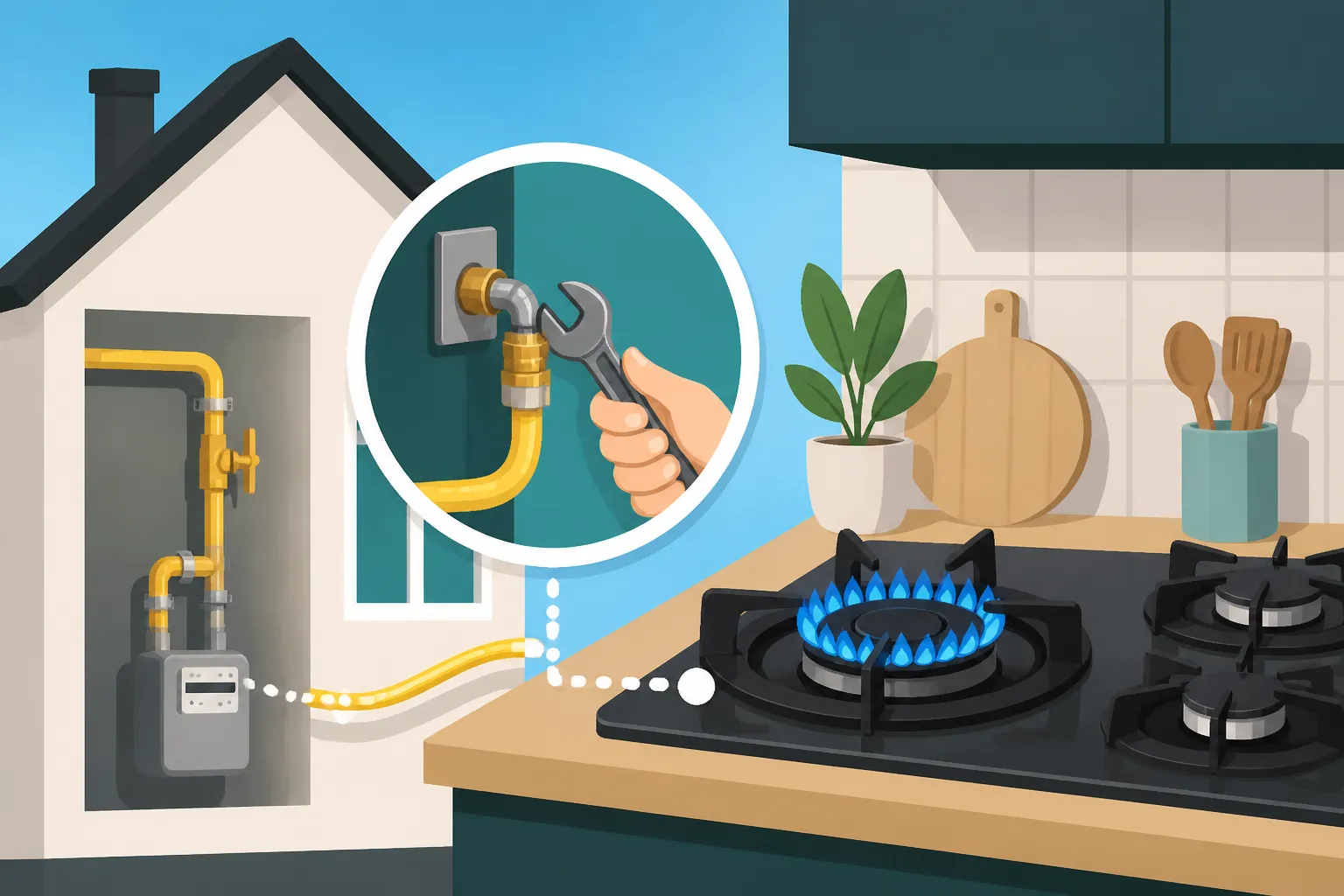
First, make sure the gas connection to your specific apartment or house is active and safe. If you're renting, your landlord should provide this information and often handles the initial setup or re-activation. If you've just bought a property, check the property documents or ask the previous owner. Look for a gas meter in your apartment or in the building's common areas. If the previous tenant or owner had gas, there's usually a meter and perhaps a yellow gas pipe leading to your stove.
It's common for landlords to have disconnected the service or for new purchases to require a transfer. Never assume it's ready to go. You want to avoid any nasty surprises when you finally get around to cooking your first Estonian-inspired meal. A good real estate agent or landlord will be able to confirm the status of the gas connection, which is a detail you should clarify when reviewing your rental contract (Üürileping).
Step 2: Choosing a Gas Provider and Signing a Contract
In Estonia, while there's an infrastructure owner, there are often a few gas sellers you can choose from, though Eesti Gaas remains the dominant player for household natural gas. You'll need to sign a contract with a chosen provider.
This usually involves:
- Your Isikukood (Personal Code): Absolutely essential for any official contract in Estonia. If you haven't got one yet, you'll need to apply for it. How to Get Your Isikukood Personal Code and Why It Matters for Healthcare is a good guide, and it's equally important for utilities.
- Proof of Residency/Ownership: Your rental agreement (
üürileping) or property ownership documents (kinnistusraamat) will be required. - Property Address and Meter Number: Have these handy.
- Contact Information: Your phone number and email.
You can usually initiate this process online through the provider's website (like eesti.ee or Eesti Gaas's portal), or by visiting their customer service office. They'll guide you through the tariff options and contract terms. Be prepared for a language barrier if you're not confident in Estonian; thankfully, most major utility providers have English-speaking staff or online portals with English options.
Step 3: Inspection and Activation
Even if the gas was previously connected, a safety inspection might be required, especially if the property has been vacant for a while or if you're the first to activate the service after a long period. This is crucial for your peace of mind and safety. A certified technician from the gas company will come to:
- Check the integrity of the gas pipes within your apartment.
- Inspect your gas appliance (stove, oven).
- Ensure proper ventilation and safety measures are in place.
- Connect the meter (if it was removed) and activate the supply.
They will usually schedule this appointment after your contract is signed. It's important to be present during this visit. Do not try to connect or activate gas yourself unless you are a certified professional. Once the inspection is passed and the gas is turned on, you're good to go! Just remember to register your place of residence (Elukoht) in the Population Register, as this is often linked to utility services.
Setting Up LPG Gas Cylinders
If your home uses LPG cylinders, the process is less about contracts and more about logistics and safety.
Step 1: Acquiring a Gas Cylinder and Regulator
You'll need an LPG cylinder, often referred to as a "gas balloon" (gaasiballoon) in Estonia, and a pressure regulator that matches your appliance and the cylinder's valve type.
- Cylinders: You can purchase or rent cylinders from petrol stations (Alexela, Circle K, Olerex often stock them), hardware stores (like Bauhof or K-Rauta), or directly from gas distributors (e.g., Reola Gaas, Alexela). It's common to pay a deposit for the cylinder itself, which you get back when you return it.
- Regulator: Ensure the regulator is compatible with your stove and the gas type. Most household appliances use a standard pressure, but it's always best to double-check. The store selling the cylinder can usually advise you or sell you the correct regulator. These are vital for safety, so don't skimp here.
Step 2: Connecting the Cylinder to Your Appliance
Connecting an LPG cylinder requires careful attention to safety:
- Placement: Store the cylinder upright in a well-ventilated area, away from direct sunlight, heat sources, and flammable materials. Never store it in a bedroom or basement.
- Hose: Use a flexible gas hose designed for LPG, making sure it's not cracked or expired. Hoses have a marked expiry date, typically 5 years. Replace it if it's old or damaged.
- Connection:
- Attach one end of the hose to your gas stove's inlet.
- Attach the other end to the regulator.
- Connect the regulator to the cylinder valve.
- Use appropriate clamps or tightening tools for a secure, leak-free connection.
- Leak Check: This is critical. After connecting everything, open the cylinder valve slowly. Then, apply a soapy water solution (or specialized leak detector spray) to all connections. If you see bubbles, there's a leak. Tighten the connection or replace the hose/regulator until no bubbles appear. If you still detect a leak, immediately turn off the gas, ventilate the area, and seek professional help.
If you're unsure at all, do not attempt it yourself. It's always best to ask the seller of the gas bottle for assistance or hire a qualified technician. While setting up your new home, remember that guides on topics like The Expat Guide to Setting Up Utilities in Estonia cover the broader picture of getting connected.
Step 3: Replenishing Empty Cylinders
When your cylinder is empty, you'll need to exchange it for a full one. You typically take the empty cylinder back to where you bought it (or any designated exchange point for that brand) and pay for a new, full one. The deposit you paid earlier usually covers the cylinder itself, so you'll just pay for the gas. Keep an eye on your gas level to avoid being caught without gas in the middle of cooking!
| Feature | Piped Natural Gas | LPG Cylinders (Propane/Butane) |
|---|---|---|
| Availability | Primarily in cities, older buildings, some private homes | Rural areas, summer cottages, specific city apartments |
| Supply Type | Continuous, via underground pipeline | Finite, via exchangeable steel cylinders |
| Installation | Activation of existing connection, professional inspection required | Manual connection of cylinder and regulator, self-installed (with care) or professional help |
| Cost Structure | Monthly bill based on consumption | Upfront cost per cylinder (plus initial deposit for cylinder) |
| Convenience | High (never runs out, no handling) | Lower (requires monitoring and manual exchange) |
| Safety | High (regulated grid, professional checks) | Requires careful handling, storage, and regular checks by user |
| Main Providers | Eesti Gaas | Alexela, Reola Gaas, Circle K, Olerex (for cylinders) |
Safety First: Essential Considerations for Gas in Your Home
Whether you're dealing with piped natural gas or LPG cylinders, safety is paramount. Gas leaks, even small ones, can be incredibly dangerous, leading to fires, explosions, or carbon monoxide poisoning. As an expat, understanding these risks and how to mitigate them is crucial.
Carbon Monoxide Detectors: Your Lifeline
Carbon monoxide (CO) is an odorless, colorless, tasteless gas produced by incomplete combustion of fuels like natural gas or LPG. It's often called the "silent killer" because you can't detect it without a sensor. Every home with gas appliances must have a CO detector. Install it according to the manufacturer's instructions, usually near sleeping areas and gas appliances. Test it regularly and replace batteries as needed. This simple device can literally save your life.
Ventilation is Key
Proper ventilation is essential for any room with gas appliances. Ensure that your kitchen has good airflow – open windows, use an extractor fan when cooking. This prevents the buildup of unburnt gas or combustion byproducts like carbon monoxide. Never block ventilation grilles or openings in rooms with gas appliances.
Professional Installation and Maintenance
- Piped Gas: Always use certified technicians for any installation, repair, or major maintenance work on your piped gas system or appliances. The gas company (Eesti Gaas) or their approved partners are the only ones who should touch your main gas lines.
- LPG Cylinders: While you might connect a new cylinder yourself, if you have any doubts, or if there's an issue with the appliance itself, call a professional. Never try to repair a gas stove or regulator yourself.
Regular maintenance checks for your gas stove and connections are also a good idea. Small leaks can go unnoticed, and aging hoses or seals can fail. Your landlord is generally responsible for ensuring the safety and maintenance of the gas infrastructure within a rented property, so don't hesitate to contact them if you have concerns. This falls under broader tenant and landlord obligations as outlined in articles like Understanding Tenant and Landlord Rights in Estonia.
What to Do in Case of a Suspected Gas Leak
This is perhaps the most important safety information you can have.
- Turn off the gas immediately: If it's an LPG cylinder, turn the valve on the cylinder. If it's piped gas, try to turn off the main gas valve (usually near the meter or where the gas enters your apartment).
- Open windows and doors: Ventilate the area thoroughly.
- DO NOT switch on or off any electrical appliances, lights, or even use your phone: A spark could ignite the gas.
- Evacuate the premises: Get everyone out of the building.
- Call the emergency number 112: From a safe distance, inform them of a gas leak. They will dispatch firefighters and gas technicians.
- Do not re-enter until declared safe by professionals.
Having a plan for emergencies, whether it's understanding the emergency numbers (112) or knowing who to call, is a fundamental part of living in Estonia.
Costs and Practicalities of Gas for Cooking
Beyond the initial setup, you'll want to understand the ongoing costs and day-to-day practicalities of having gas in your Estonian home. This helps with budgeting and avoids unexpected surprises, especially when considering your overall cost of living.
Monthly Costs for Piped Natural Gas
For piped natural gas, you'll receive a monthly bill from your provider (e.g., Eesti Gaas). This bill will typically include:
- Gas Consumption: Measured in cubic meters (m³) and then converted to kilowatt-hours (kWh) for billing. The price per kWh varies based on your contract and market conditions.
- Network Fee: A fixed monthly fee for using the gas distribution network, regardless of consumption.
- Value Added Tax (VAT): Currently 22% in Estonia.
The actual cost for cooking only is usually quite low. For example, a household cooking daily might use 5-10 m³ of gas per month. If gas is also used for heating water or the apartment, the costs will be significantly higher. It’s always a good idea to monitor your consumption through your provider's online portal if available. For a broader look at utility costs, check out Understanding Utility and Maintenance Costs Kommunaalkulud in Estonia.
Costs for LPG Cylinders
The cost of LPG cylinders is simpler: you pay for the gas when you exchange the cylinder.
- Cylinder Deposit: Expect to pay a deposit for the empty cylinder itself (e.g., €30-€50) when you first acquire it. This is refundable when you return the cylinder permanently.
- Gas Price: The price per kilogram of gas varies by provider and market conditions. A typical 11 kg cylinder (common for cooking) might cost anywhere from €20-€30, but prices can fluctuate.
The frequency of replacement depends entirely on your cooking habits. A single person cooking occasionally might make an 11 kg cylinder last for months, while a family cooking daily could go through one in a few weeks. Always have a spare cylinder or plan ahead for exchanges to avoid running out mid-meal.
Comparing Gas to Electric Hobs
Many new apartments in Estonia come with electric induction hobs. While you've specifically asked about gas, it's worth a quick comparison for context:
- Electric Induction: Generally considered more energy-efficient, safer (no open flame or gas leaks), and often faster for boiling water. However, some cooks prefer the instant visual feedback and fine-tuned control of a gas flame.
- Gas: Offers precise temperature control, works during power outages, and is preferred by many chefs. However, it requires ventilation, has safety considerations, and potentially ongoing costs for piped gas or cylinder exchanges.
When you're looking for a new place, clarifying How to Set Up Electricity in Your Estonian Home might be more relevant, but if you're set on gas, these details become crucial.
Final Checks When Moving In or Out
When you first move into an Estonian home, add checking the gas setup to your comprehensive list of things to do. If it's a rental, ensure your landlord provides clear instructions, confirms the safety, and clarifies who is responsible for utility contracts and bills. When you eventually move out, remember to disconnect your gas contract (for piped gas) or return your cylinders to get your deposit back. Planning your move with services like Sirelo can help organize these details efficiently, ensuring nothing is overlooked in the whirlwind of relocation. For wider advice on accommodation, articles like How to Find and Rent Long-Term Accommodation in Estonia are incredibly helpful.
Disclaimer
The information provided in this guide is intended for general informational purposes only and does not constitute professional advice. While we strive to ensure the information is up-to-date and accurate, regulations, prices, and procedures in Estonia can change. Always consult with official service providers, legal professionals, or certified technicians for specific advice related to your personal circumstances and gas installations. Safety should always be your top priority when dealing with gas appliances.